

Demystifying Colonoscopy: A Guide to Understanding the Procedure

Addressing common concerns and ensuring a smooth experience during a colonoscopy.
By Tommy Douglas Amateur Health and Medical Researcher and Blogger
A colonoscopy is an important procedure to consider once you reach a certain age or if you’re in a high-risk group. I’ve had it done five times, and usually, the prep is tougher than the procedure itself—except for the last time, when about a dozen polyps were removed. Fortunately, they were all benign. I tend to handle anesthesia well and feel little discomfort, though that’s not the case for everyone, as it can be a bit intimidating. In this blog post, I want to break down the colonoscopy process and help ease any worries you might have.
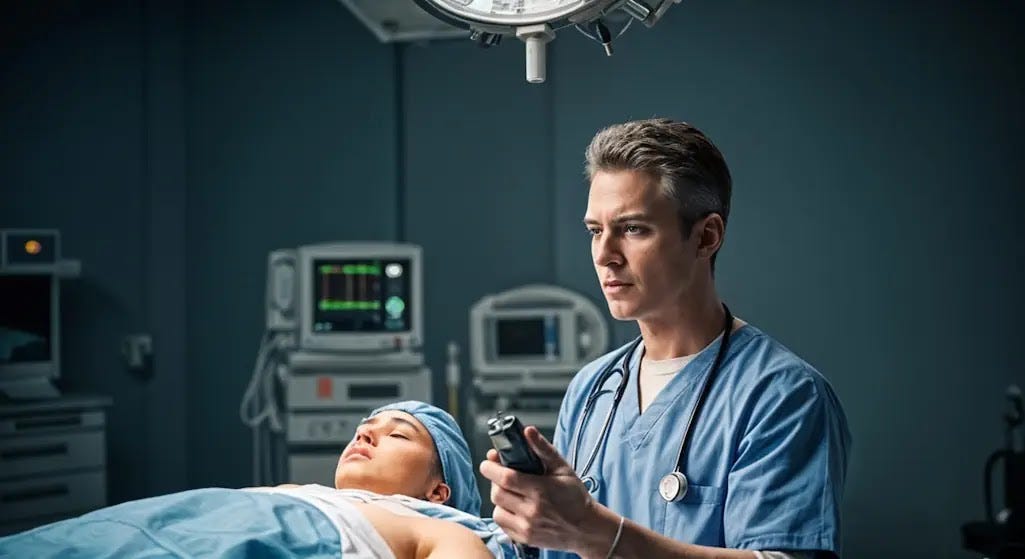
A colonoscopy is a reliable, minimally invasive procedure that examines the colon for irregularities or disease, such as polyps, inflammation, or cancer, enabling timely intervention. It is well-tolerated and standard practice in preventive healthcare, particularly for those at risk of colorectal conditions.
What is a Colonoscopy?
A colonoscopy is a medical test where a doctor checks the inside of your large intestine (colon) for things like polyps, inflammation, or other issues. Using a long, flexible tube with a light and camera (called a colonoscope), the doctor gently guides it through the rectum into the colon. This lets them see the inside on a monitor and take small tissue samples (biopsies) if necessary.
Why Do I Need a Colonoscopy?
Colonoscopy plays a vital role in colorectal cancer screening. Colorectal cancer is the third most common cancer diagnosed in the United States and the second leading cause of cancer death https://www.cancer.org/health-care-professionals/american-cancer-society-prevention-early-detection-guidelines/colorectal-cancer-screening-guidelines.html. The risk of developing colorectal cancer increases with age, and regular screening is crucial for early detection and treatment.
Here are some reasons why your doctor might recommend a colonoscopy:
Colorectal cancer screening: The American Cancer Society advises adults at average risk to begin screening at age 45. Options include stool-based tests or visual examinations, with colonoscopies typically performed every 10 years.
Family history of colorectal cancer: Having a close relative with colorectal cancer increases personal risk. Physicians often recommend starting screenings earlier and conducting them more frequently in such cases to improve early detection and treatment outcomes.
Chronic digestive problems: Persistent changes in bowel habits, such as frequent diarrhea, constipation, or rectal bleeding, may warrant a colonoscopy for diagnosis. These symptoms can result from minor issues like food intolerance or indicate more serious health conditions, making prompt medical evaluation essential.
Inflammatory bowel disease (IBD): Individuals with ulcerative colitis or Crohn’s disease often undergo regular colonoscopies to monitor disease progression, assess inflammation, and screen for colorectal cancer, for which they have an elevated risk.
Unexplained abdominal pain: Ongoing abdominal discomfort should be investigated to identify its cause. Colonoscopy provides a direct visual assessment of the colon and rectum, aiding in the diagnosis of conditions that may be contributing to the pain.
How Do I Prepare for a Colonoscopy?
Proper preparation is essential for a successful colonoscopy. Here's a breakdown of the typical preparation process:
Consultation: Discuss your medical history and any medications you take with your doctor. They will provide specific instructions regarding medication adjustments and dietary restrictions.
Dietary Changes: A few days before the colonoscopy, you will likely switch to a clear liquid diet to ensure a clean colon for optimal visualization.
Laxatives: You will be prescribed laxatives to clear your bowels thoroughly. This may involve taking them the day before or the evening before the procedure.
Bowel Prep: Follow your doctor's instructions carefully regarding the timing and dosage of laxatives to achieve a clear colon.
Hydration: Staying well-hydrated is crucial throughout the preparation process. Drink plenty of clear liquids as instructed by your doctor.
Transportation: Arrange for someone to drive you home after the colonoscopy as you will likely be under the effects of anesthesia.
What to Expect During a Colonoscopy
A colonoscopy is typically performed on an outpatient basis, meaning you won't need to stay overnight at the hospital. Here's a general overview of what to expect during the procedure:
Arrival: Upon arrival at the facility, you will change into a hospital gown. Medical staff will confirm your current medications and the timing of your last dose.
Anesthesia: You may receive IV sedation or general anesthesia to promote relaxation and reduce discomfort, based on medical advice and personal preference.
Procedure: Positioned on your side or back, a colonoscope will be gently inserted to examine the colon lining. Tissue samples may be collected, and small polyps removed if necessary.
Duration: The colonoscopy typically lasts 30 to 60 minutes, with the total visit, including preparation and recovery, taking several hours.
After Your Colonoscopy
After your colonoscopy, you will be observed in the recovery area until the anesthesia's effects diminish. Once you are fully conscious and responsive, you are usually allowed to leave, provided you have pre-arranged transportation.
Here's what to expect after your colonoscopy:
Mild discomfort: Temporary abdominal cramping or bloating may occur due to air inflation during the procedure, typically resolving on its own.
Dietary restrictions: Gradually reintroduce a regular diet over the next few days to allow the digestive system to adjust, following any specific instructions from your healthcare provider.
Biopsy results: If biopsies were, results may take several days to weeks; your doctor will review the findings and advise on necessary follow-up.
Are There Any Risks Associated with Colonoscopy?
Colonoscopy is generally considered safe and is a routine procedure, but like any medical treatment, it does carry a small risk of complications. It’s important for patients to be aware these risks, even though they’re uncommon, as early recognition can make a big difference in outcomes.
Possible issues include perforation, which are small tears in the colon or rectum that can happen during polyp removal, and bleeding, especially if tissue samples are taken or polyps are removed. Rarely, people may have reactions to anesthesia, and in very unusual cases, infections can be transmitted through the equipment.
Talking with a healthcare provider about these risks is key to fully understanding both the benefits and potential downsides of a colonoscopy.
Minimizing Risks and Maximizing Comfort
Risk is a constant element in modern life, influencing areas from healthcare to personal growth. The shared goal is to minimize risk and create a safe, comfortable experience.
In healthcare, safety culture involves early problem detection, open communication, and continuous learning to protect patients.
In personal growth, embracing risk means accepting uncertainty and change.
WHO defines patient safety as coordinated health system efforts to reduce risks, prevent avoidable harm, and mitigate impacts when harm occurs.
This mirrors personal development, where a growth mindset encourages viewing mistakes as opportunities, taking calculated risks, and trying new experiences.
Proper preparation and clear intentions, whether for an ayahuasca retreat or healthcare decisions, help reduce risks and enhance outcomes.
Addressing potential risks—medical or personal—supports smoother, more rewarding journeys.
Open communication with healthcare providers is essential to minimizing risks and achieving optimal results.
Here are some tips:
Discuss your medical history: Inform your doctor about any pre-existing medical conditions and medications you take.
Ask questions: Don't hesitate to ask your doctor about any concerns you have regarding the procedure or potential risks.
Follow preparation instructions carefully: Proper bowel preparation is crucial for a successful colonoscopy. Ensure you understand and follow your doctor's instructions regarding diet, laxatives, and hydration.
Relaxation techniques: Practice relaxation techniques such as deep breathing or meditation before the procedure to help manage anxiety.
Conclusion
A colonoscopy is a valuable tool for colorectal cancer screening and diagnosing digestive problems. While some aspects of the procedure might seem daunting, understanding the process and following proper preparation steps can significantly enhance your experience. Remember, early detection is crucial for successful treatment of colorectal cancer. If you are due for a colonoscopy, consult your doctor and discuss any concerns you might have.
Toggle Sources
Sources: