Pooping More Often: A Key to Better Health?
The Goldilocks Zone: Why Gut Frequency is a Vital Sign
In recent years, the relationship between gut health and overall wellness has moved from the fringe to the clinical center. The gut, often described as the body’s “second brain,” is integral to immune regulation and metabolic stability.
New research underscores the critical role that consistent bowel movements play in supporting a balanced gut environment. This isn’t just about comfort; it is about the structural and immunological integrity of your body. 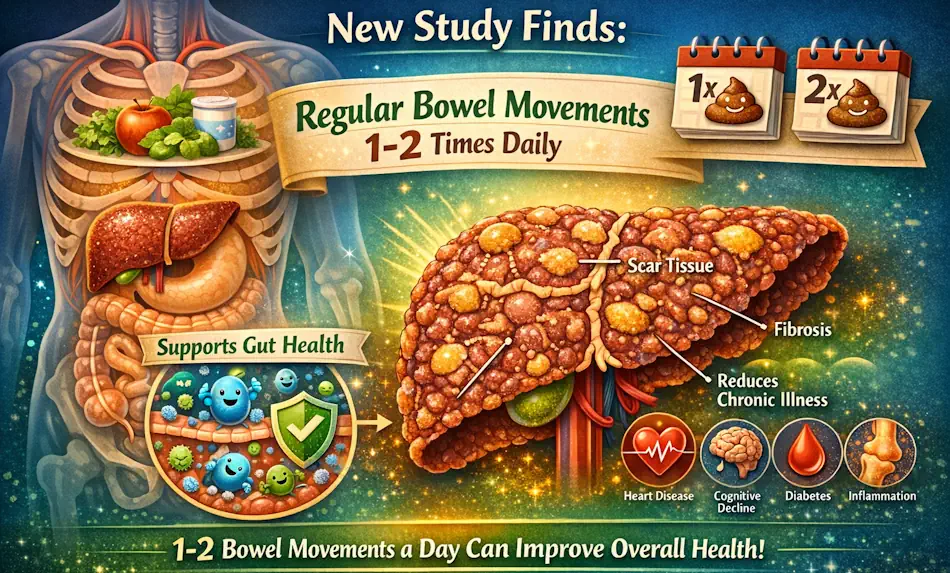 Figure 1: Regular Bowel Movements - One to two daily movements help maintain a balanced microbiome and lower the risk of systemic inflammation.
Study Findings: The Goldilocks Zone
Researchers have identified an ideal frequency for maintaining gut health: one to two bowel movements per day. Those within this range show a more balanced gut microbiome, which is linked to a lower risk of several chronic issues:
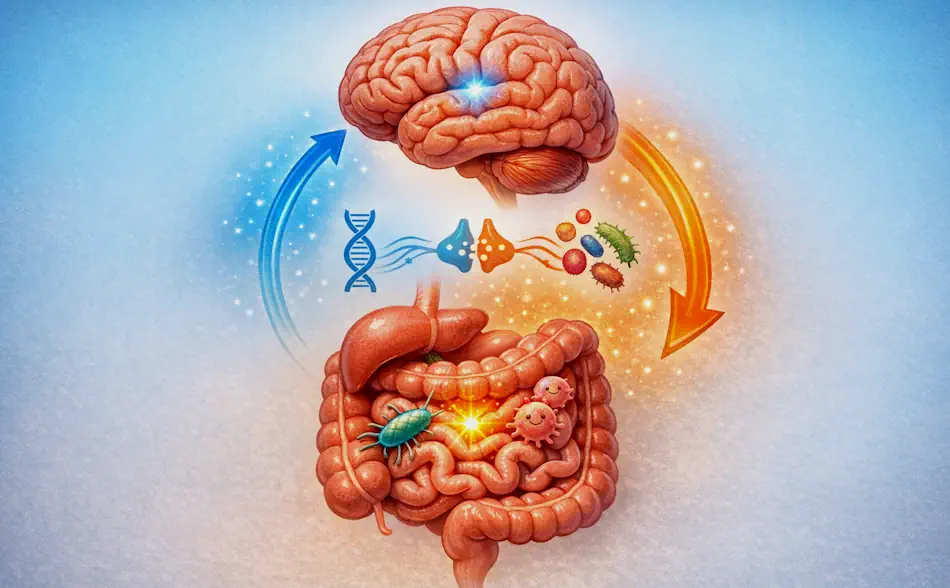 Image of the gut-brain axis.
- Inflammatory Bowel Disease (IBD): Maintaining regular flow prevents the prolonged contact of waste with the intestinal wall, reducing the triggers for Crohn’s and ulcerative colitis.
- Type 2 Diabetes: Healthy gastrointestinal transit is beneficial for blood sugar regulation. Proper nutrient absorption in the intestines is essential for maintaining balanced glucose levels.
- Heart Disease: A balanced gut environment minimizes systemic inflammation and aids in cholesterol regulation, directly supporting cardiovascular health.
- Neurodegenerative Diseases: The “Gut-Brain Axis” is a two-way street. In 2026, we understand that changes in gut bacteria are associated with neuro-inflammation in Alzheimer’s and Parkinson’s.
The Bristol Stool Scale: Reading the Data
The texture and appearance of stool serve as important indicators of your digestive health. As a “Health Pilot,” you should be familiar with the Bristol Stool Scale, which categorizes feces into seven types.
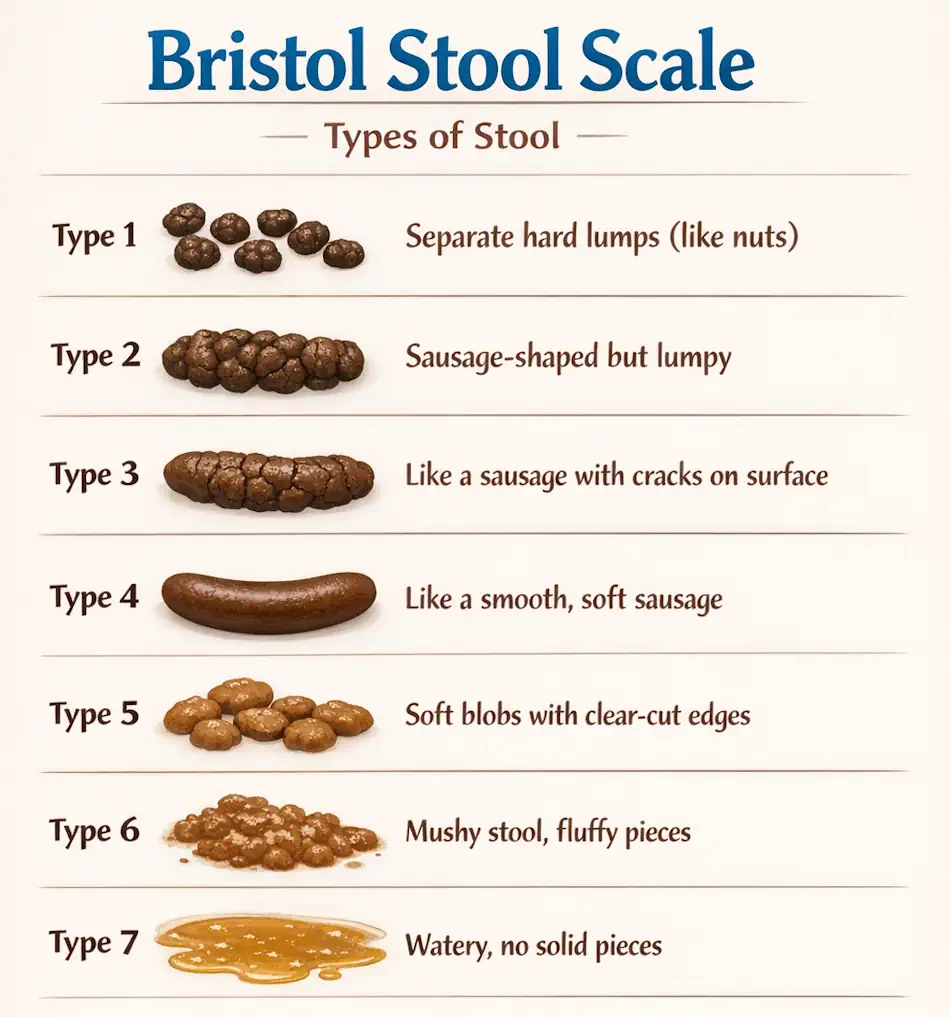 The Bristol Stool Scale.
Ideally, stools should be Type 3 or Type 4 (soft, well-formed, and easy to pass). If your data consistently falls into Type 1 (constipation) or Type 7 (diarrhea), it is time to adjust your biological inputs.
March 2026 Clinical Synthesis: Gut Integrity
In our 2026 audits, we have identified that “Microbial Translocation” (leaky gut) often begins with chronic constipation. When waste sits too long, toxins can penetrate the gut barrier and “prime” the immune system for a systemic attack.
Tactical Prevention: Promoting Regularity
- Fiber Targets: Aim for 25-30g of fiber daily from whole foods like legumes and leafy greens to increase stool bulk.
- The Hydration Anchor: Fiber without water is a recipe for a “blockage.” Ensure adequate hydration to keep the fiber moving.
- Physical Stimulus: Regular movement, especially walking after meals, stimulates the wave-like contractions (peristalsis) required for elimination.
The Patient Translation: Gut Health
| Medical Term | What it Actually Means | Advocacy Action |
|---|---|---|
| Microbiome Diversity | The variety of “good” bugs in your gut. | Eat a diverse range of plant fibers to “feed” different strains. |
| Transit Time | How long it takes for food to travel from mouth to exit. | Aim for 12-24 hours. Longer times increase toxin absorption. |
| Dysbiosis | An imbalance of gut bacteria (too many bad actors). | Minimize processed sugars that “fuel” inflammatory bacteria. |
About the Researcher
Tommy T. Douglas is an independent health researcher and survivor of a major heart attack (2008). He specializes in translating complex data into actionable health literacy for seniors, focusing on the intersection of metabolic and digestive health.