GERD and Sepsis: A Dangerous Connection
GERD Beyond the Burn: Why Your Heartburn is a Systemic Risk Factor
Gastroesophageal reflux disease (GERD) is commonly dismissed as “just a little acid,” but in 2026, the clinical data tells a darker story. As an independent researcher, I have been tracking the evidence that chronic reflux is a gateway to Sepsis – a life-threatening immune overreaction. This isn’t just about discomfort; it is about the structural and immunological integrity of your body. > Medical Disclaimer: Sepsis is a medical emergency. If you experience confusion, extreme shivering, or rapid heart rate along with an infection, call 911 immediately.
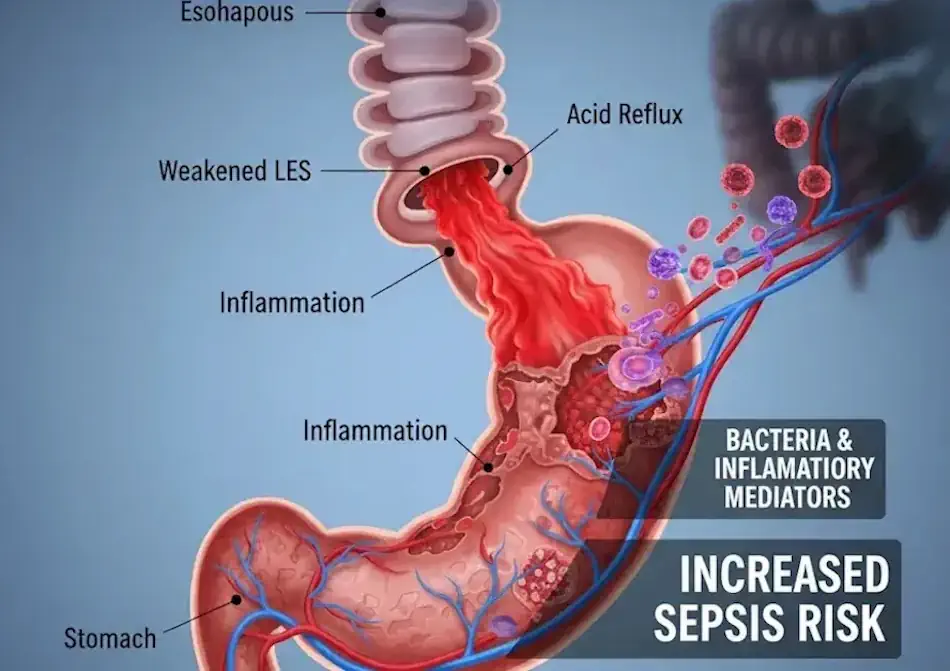 Figure 1: The Reflux Pathway - Chronic acid exposure leads to more than just esophageal damage.
The “Causal Link”: Mendelian Randomization
A landmark study in Digestive Diseases and Sciences utilized Mendelian Randomization – a method that uses genetic data to determine cause and effect – to confirm that GERD is a direct driver of sepsis risk.
- 37% Increased Risk: Having a genetic predisposition to GERD increases your likelihood of sepsis by over a third.
- 44% Mortality Increase: GERD patients face significantly higher 28-day mortality rates once sepsis occurs.
Researcher’s Insight: This proves that the link isn’t just about “poor health” in general; the physical damage from acid reflux creates a specific biological vulnerability to systemic infection.
Clinical Synthesis: The Aspiration Pathway
For seniors, the danger of GERD lies in Silent Aspiration. When acid or stomach contents enter the lungs, it triggers a dangerous cascade:
- Aspiration Pneumonia: This lung infection is the primary “starter” for sepsis in GERD patients.
- Protein Targets: To prevent the weakening of the diaphragm and the Lower Esophageal Sphincter (LES), we maintain high-protein advocacy (1.2-1.5 g/kg). Strength in these muscles is your first line of defense.
- Systemic Pressure: Managing GERD is critical for heart attack survivors, as the “fire” of chronic inflammation puts extra stress on the cardiovascular system.
Spotting the “Sepsis Storm”
Sepsis moves fast. If you manage chronic GERD, you must be hyper-vigilant for these symptoms:
| Symptom | The Biological Warning |
|---|---|
| Mental Confusion | Oxygen and blood flow are being diverted away from the brain. |
| Mottled/Pale Skin | The body is in early shock, pulling blood to core organs. |
| Rapid Breathing | The lungs are struggling to manage the systemic inflammatory load. |
| Low Urine Output | The kidneys are beginning to fail due to reduced perfusion. |
Tactical Prevention: Managing the “Upflow”
- The 30-Degree Rule: Elevate the head of your bed. Gravity is a mechanical intervention for GERD.
- Avoid the “Trigger Trio”: Alcohol, Caffeine, and Spicy foods weaken the LES muscle.
- Monitor Satiety: Overeating triggers mechanical pressure. Focus on mindful, high-protein portions.
About the Researcher
Tommy T. Douglas is an independent health researcher and survivor of a major heart attack (2008). He specializes in translating complex medical data into actionable health literacy for seniors.