Cataract Surgery: What Seniors Need to Know
Understanding Cataract Surgery: A Clearer Vision for Seniors
As we grow older, our eyes naturally change, and one of the most common age-related conditions is cataracts. Cataracts occur when the eye’s lens becomes cloudy, leading to blurred vision, glare, and difficulty seeing clearly.
The good news is that cataract surgery remains one of the safest and most effective procedures in modern eye care, often restoring vision within days and dramatically improving quality of life for seniors.
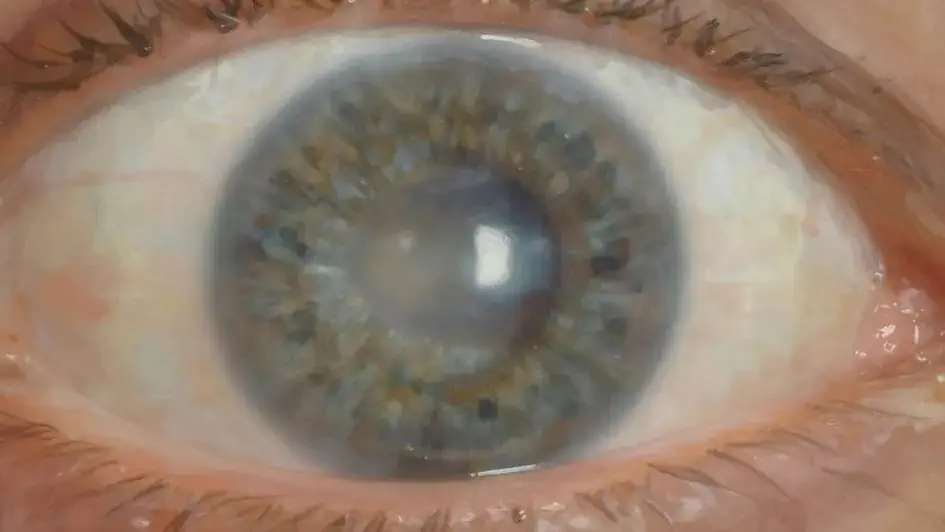 Figure 1: Cataract surgery restores independence by catching changes early and supporting long-term well-being.
A Personal Perspective on Vision
A few years ago, both my wife and sister underwent cataract surgery at different eye centers using slightly different techniques. Their experiences highlighted how important it is for older adults to understand what the procedure involves – from surgery to recovery and long-term benefits.
Later, I needed surgery as well. My nuclear cataracts were progressing slowly, but posterior subcapsular cataracts (PSC) developed – a faster-growing type that can rapidly worsen vision. This combination made earlier surgery necessary.
1. What Are Cataracts?
Cataracts occur when the eye’s natural lens becomes cloudy, causing blurred vision, glare, faded colors, and difficulty seeing at night. They usually develop slowly with age but can accelerate due to diabetes, steroid use, genetics, or eye injury.
Three Main Types
- Nuclear Cataracts: Form in the center of the lens, causing yellowing and night vision problems.
- Cortical Cataracts: Begin at the lens edges and cause glare and contrast issues.
- Posterior Subcapsular Cataracts (PSC): Form at the back of the lens. These often progress faster and cause significant glare and near-vision trouble.
2. The Cataract Surgery Procedure
Surgery is typically recommended when blurred vision or glare sensitivity interferes with daily driving or reading.
- Preparation: Local anesthesia and mild sedation are used for patient comfort.
- Incision: A micro-incision is made in the cornea.
- Lens Removal: A process called phacoemulsification uses ultrasound to break up the cloudy lens.
- Lens Replacement: A clear Intraocular Lens (IOL) is implanted.
- Closure: The incision is typically self-sealing and requires no stitches.
3. Benefits of Restoring Vision
- Sharper Vision: Dramatic improvement in color perception and clarity.
- Safety: Improved driving safety, especially at night.
- Reduced Fall Risk: Clearer vision is a primary factor in preventing senior falls and fractures.
- Cognitive Engagement: Better vision allows for easier reading and social interaction, supporting brain health.
FAQ: Quick Facts
- Which cataract grows fastest? Posterior subcapsular cataracts (PSC) generally progress more rapidly than other types.
- Is a “secondary cataract” real? It is actually posterior capsule opacification (PCO), a common clouding that occurs after surgery. It is easily fixed with a quick YAG laser treatment.
- How do I prevent infection? Follow your drop schedule strictly. Whether you use daily drops or receive a medication implant during surgery, these are critical for preventing infection and inflammation.
About the Researcher
Tommy T. Douglas is an independent health researcher and patient advocate. A survivor of a major heart attack (2008) who manages Type 2 Diabetes, he specializes in translating complex medical data into actionable health literacy for seniors.