Exploring the Link Between Psoriasis and Sleep
The Sleep–Psoriasis Connection: A Bidirectional Cycle
Psoriasis is a chronic immune-mediated inflammatory disease that commonly disrupts sleep through itch, pain, and psychological stress. Poor sleep, in turn, is associated with increased inflammation and may worsen psoriasis symptoms. This relationship creates a cycle where sleep disruption and disease activity reinforce each other. > Medical Disclaimer: This content is for informational purposes only. Always consult a qualified healthcare provider regarding any medical condition.
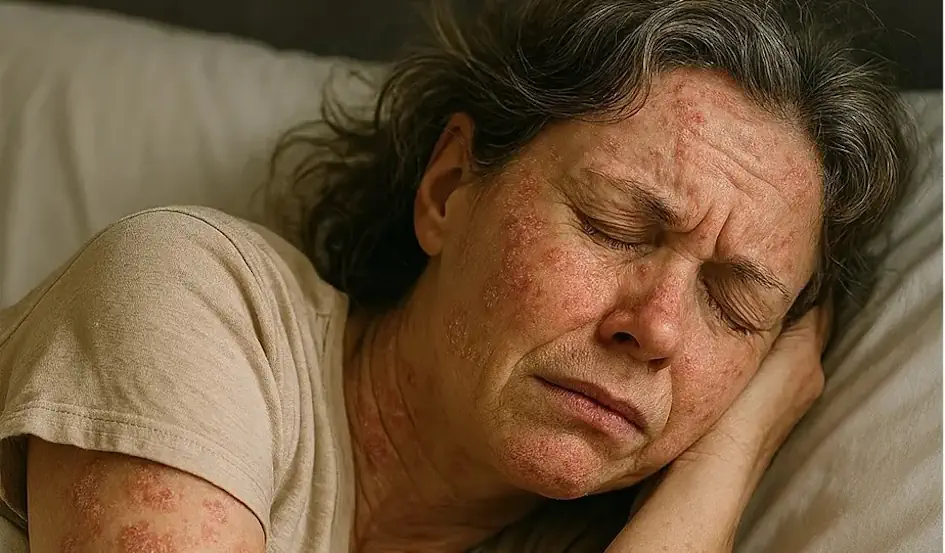 Figure 1: Inflammation and discomfort can disrupt rest, creating a feedback loop of systemic stress.
🔬 Why Psoriasis Disrupts Sleep
People with psoriasis experience sleep problems for several overlapping physiological and psychological reasons:
- Nocturnal Itch (Pruritus): Itch often worsens at night due to circadian changes in skin barrier function.
- Dysregulated Cortisol: Cortisol levels naturally decline in the evening. If rhythms are off, anti-inflammatory signaling drops when it is needed most.
- Systemic Inflammation: Pro-inflammatory cytokines like IL-6 and TNF-α increase when sleep is fragmented.
⚖️ The Advocacy Challenge: Drug Treatments and Coverage
Managing psoriasis often involves biologics that target the immune response. However, these life-changing treatments come with significant hurdles:
My Medicare Experience
My Medicare Advantage plan (Humana) recently dropped coverage for the Humira I had been using. Because of the high cost, I had to transition to the AbbVie Assist program. Coverage shifts are common, and for many seniors, manufacturer assistance programs are the only way to bridge the gap and maintain treatment continuity.
🛠️ Practical Strategies for Better Rest
- Moisturize Before Bed: Reducing skin dryness can minimize the “nocturnal itch spike.”
- Cool Environment: A cooler room helps reduce the heat sensation often associated with inflamed plaques.
- Consistency: Maintaining a steady sleep-wake schedule helps regulate the circadian markers that control inflammation.
❓ Micro-FAQ: Sleep and Inflammation
Can inflammation affect my sleep cycle? Yes. Systemic inflammation may disrupt deep sleep (slow-wave sleep) and increase nighttime restlessness.
Does poor sleep make psoriasis worse? Many patients report flare-ups following periods of poor sleep, likely due to increased stress hormones and cytokine production.
📘 Related Patient Resources
- The Log: Track your sleep and inflammation patterns with the Daily Glucose Tracker.
- The Foundation: New to these topics? Read the Beginner’s Guide to Diabetes.
- Liver Health: How metabolic syndrome impacts liver cirrhosis.