
Public Health: Moving Past the Conspiracies and Rebuilding Trust

Navigating Misinformation and Restoring Public Faith in Science and Experts
Amateur Health and Medical Researcher / Blogger
Navigating misinformation and rebuilding trust in science has become a real challenge in the internet era. While information is more accessible than ever, it’s also easier for false claims—especially about public health—to spread quickly. Conspiracy theories about vaccines, pandemics, and health agencies can catch on fast, chipping away at people’s confidence in experts. The big question now is: how can we restore public faith in health and science in a world where conspiracy theories thrive?
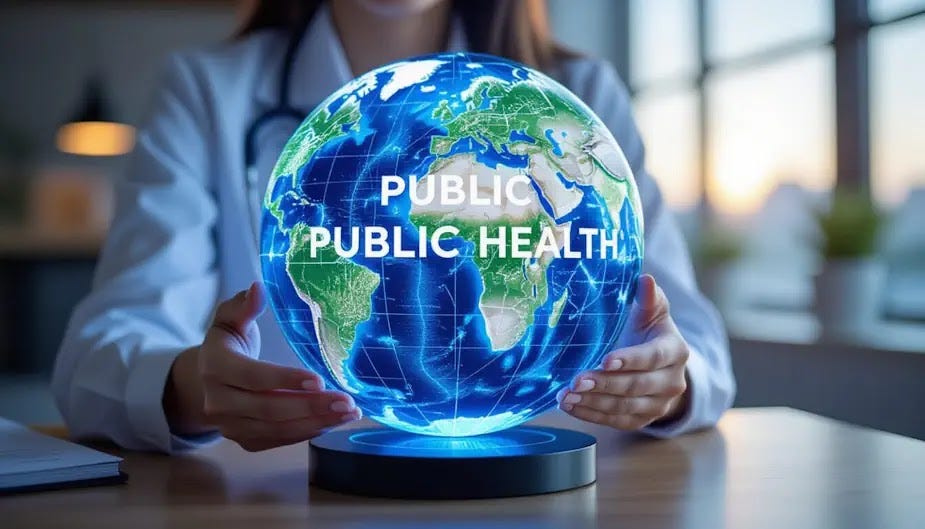
Distinguishing between fact and fiction is crucial: Rebuilding trust in public health hinges on critical thinking and the availability of trustworthy sources.
Rebuilding trust in the face of misinformation demands a multifaceted approach. Key strategies involve promoting critical thinking, transparency, accountability, and collaboration.
By empowering individuals to discern fact from fiction and addressing the sources of misinformation, we can gradually restore trust and cultivate a more informed, resilient society.
The Emergence of Conspiracy Theories in Times of Crisis
🌍 Why Conspiracy Theories Thrive During Uncertainty
Conspiracy theories often thrive during periods of social unrest and rising anxiety. In these times, people can feel weighed down by the complexity of their situations, prompting them to look for simple explanations that help make sense of their fears and doubts.
When facing big challenges like global health crises or the arrival of new medical technologies, people might lean on simplified stories. These theories can create a false of certainty, helping them cope with confusion by blaming specific groups or institutions for their problems.
Even though these conspiracy theories aren’t based on facts, they can offer a sense of comfort by giving people a story that makes them feel more in control. By pointing the finger at others, they might believe they’re taking back control of their lives, even if the reasons are misleading or completely untrue.
📱 The Role of Social Media in Amplification
Digital platforms accelerate the spread of conspiracy theories.
Echo chambers: Social media platforms' algorithms prioritize content that users interact with, creating echo chambers where people mostly see content that confirms their beliefs. This limits exposure to diverse viewpoints, potentially reinforcing biases and making it harder to challenge personal opinions.
Filter bubbles: People often end up in information bubbles that shield them from different opinions and perspectives. Without exposure to a variety of ideas, they can develop a limited understanding of complex topics, as they’re less likely to interact with content that challenges their views.
Result: Because of these dynamics, people’s existing beliefs tend to become even more fixed, while misinformation spreads with little resistance. This can create a skewed view of reality, where false ideas flourish and critical thinking take a back seat.
The Harmful Impact of Misinformation on Public Health
⚠️ Fear and Panic
Fear and panic can spread through false claims, like overstated vaccine risks, discouraging people from getting vaccinated. This can cause preventable disease outbreaks, putting both individuals and entire communities at risk.
🏥 Erosion of Trust
Misinformation undermines confidence in medical professionals and institutions. When people doubt treatment efficacy or suspect hidden motives, they may delay seeking care, resulting in poorer health outcomes.
🚫 Risky Behaviors
Untruths about health practices can encourage dangerous behaviors:
False information about different substances can pose serious health risks, as people might make choices that harm their well-being. This can lead to using products the wrong way or ignoring important medical advice, which may cause physical harm.
Confusion about nutrition and exercise can also lead to unhealthy habits. When people are misled about what makes a good diet or effective workout, they might follow routines that don’t actually support their health, resulting in poor lifestyle choices.
These misconceptions can lead to serious health problems like obesity and diabetes. These illnesses not only impact individual quality of life but also strain healthcare systems, showing how vital accurate information is for better health outcomes.
🛡️ Strategies to Counter Misinformation
Thoughtful assessment: People should take the time to think critically about the information they come across, making sure they trust reliable sources like qualified medical experts and reputable health organizations. This kind of careful checking helps separate facts from false claims and gives individuals the confidence to make smart health choices.
Proactive oversight: Governments and health agencies should keep a close eye on the spread of misinformation, using strategies to spot and address false stories. This approach can greatly reduce the impact of misleading content, helping protect the public and encourage a better-informed community.
Science-based messaging: Sharing information backed by solid scientific evidence is key to supporting public health. By spreading accurate, dependable facts, communities can become more resilient during health crises, giving people the tools they need to make good decisions and handle challenges effectively.
Critical Thinking and Source Checking: Safeguarding Public Health in the Digital Age
🧠 What Is Critical Thinking?
Critical thinking involves the objective analysis of information to make well-informed decisions and judgments. This process is crucial in various aspects of life, including education, work, and personal relationships.
It requires awareness of personal biases and assumptions.
Consistent criteria are needed for evaluating sources.
The ability to test hypotheses with evidence is crucial.
Mastering critical thinking skills is essential for discerning credible sources, assessing the strength of various arguments, and exploring different perspectives. This skill set empowers individuals to engage in informed discussions and make reasoned choices.
📚 How to Check Source Credibility
1. Look for Author Credentials
Prefer experts, researchers, or established institutions
Avoid anonymous or prejudiced writers
2. Check Date and Currency
Ensure information is recent, especially in fast‑changing fields like science and technology
3. Evaluate Evidence
Reliable sources cite data, references, or peer‑reviewed studies
Avoid unsubstantiated claims or anecdotal evidence
4. Beware of Bias
Assess whether the source presents balanced perspectives
Diversify viewpoints to avoid echo chambers
5. Cross‑Check Information
Verify claims across multiple sources
Use fact‑checking websites to debunk misinformation
The Role of Social Media in Public Health Information
Social media platforms are powerful but prone to spreading fake news. To consume information responsibly:
Look for verified accounts
Compare across multiple sources
Check credibility before sharing
Platform Responsibilities
Algorithmic Adjustments: Promote factual content, reduce conspiracy spread
Fact‑Checking Integration: Collaborate with fact‑checking organizations to flag misleading posts
User Education: Provide tools and gamified learning to strengthen critical thinking
Building Resilience Against Conspiracy Theories
Conspiracy theories thrive in times of crisis. Resilience requires:
Multiple News Sources: Avoid reliance on a single outlet
Consult Health Experts: Seek guidance from doctors, scientists, and public health authorities
Beware of Emotional Manipulation: Question content that triggers fear or anger
Healthy Skepticism: Demand evidence before accepting claims
Conclusion: Rebuilding Trust Is a Shared Responsibility
Restoring trust in public health requires collaboration:
Government: Provide transparent, accurate data and listen to public concerns
Citizens: Follow health directives and adopt protective measures
Social Media Platforms: Adjust algorithms, integrate fact‑checking, and educate users
Together, these efforts can rebuild confidence, strengthen resilience, and foster a society guided by scientific insight and logical thought.
⚠️ Medical & Information Disclaimer
This article is for educational purposes only. It is not medical advice. Always consult qualified healthcare professionals for medical concerns, and rely on reputable institutions for verified information
Toggle Sources
Sources:
Role of Government and Where Americans Agree, Disagree in Their Views | Pew Research Center
Americans' Trust in Scientists and Views of Science Decline in 2023 | Pew Research Center
Stress Testing for Media Bias | Science Matters (rclutz.com)
How to Address COVID-19 Vaccine Misinformation | CDC Archive
We're In This Together: Disinformation Stops With You (cisa.gov)