

Systemic Inflammation in Psoriasis: Beyond the Skin

Systemic Inflammation in Psoriasis: Beyond the Skin
Medical Review Status: Evidence‑based medical content reviewed against peer‑reviewed research and established clinical guidelines.
Educational content only. Not a substitute for professional medical advice.
Medical Disclaimer: This content is for informational and educational purposes only. It is not intended to diagnose, treat, cure, or prevent any disease and does not replace professional medical advice, diagnosis, or treatment. Always consult a qualified healthcare provider regarding any medical condition.
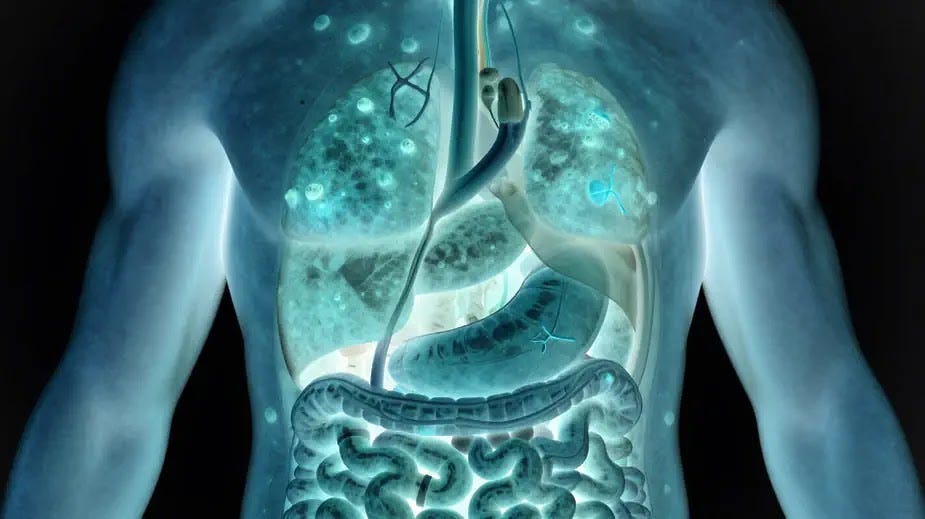
Psoriasis is a systemic inflammatory condition—its effects extend beyond the skin to impact cardiovascular health, metabolic function, and joint integrity.
Why Psoriasis Is More Than a Skin Disease
Psoriasis has long been misunderstood as a condition limited to the skin. Modern research clearly shows that psoriasis is a chronic systemic inflammatory disease that affects multiple organs and significantly increases the risk of cardiovascular disease, metabolic syndrome, and premature mortality.
Understanding systemic inflammation in psoriasis is essential for reducing long‑term health risks and improving patient outcomes.
👉 Related pillar article:
Psoriasis-Metabolic Syndrome Connection: Mortality Risk
What Is Systemic Inflammation?
Systemic inflammation occurs when inflammatory signals circulate throughout the body rather than remaining localized. In psoriasis, immune dysregulation leads to persistent activation of inflammatory pathways, even when skin symptoms appear mild.
Key Characteristics
Chronic immune activation
Elevated inflammatory cytokines
Endothelial dysfunction
Metabolic disruption
This low‑grade inflammation accelerates disease processes far beyond the skin.
The Immune Pathways Driving Psoriasis Inflammation
Psoriasis is driven by abnormal interaction between innate and adaptive immune systems.
Key Inflammatory Mediators
Tumor Necrosis Factor‑alpha (TNF‑α)
Interleukin‑17 (IL‑17)
Interleukin‑23 (IL‑23)
Interleukin‑6 (IL‑6)
These cytokines:
Promote rapid skin cell proliferation
Damage blood vessels
Worsen insulin resistance
Increase oxidative stress
👉 Internal link suggestion:
Inflammatory Cytokines and Cardiovascular Risk in Psoriasis
How Systemic Inflammation Affects the Body
1. Cardiovascular System
Chronic inflammation damages blood vessel lining, promoting:
Atherosclerosis
Hypertension
Increased risk of heart attack and stroke
Cardiovascular disease is the leading cause of death in people with moderate to severe psoriasis.
2. Metabolic System
Systemic inflammation interferes with glucose and lipid metabolism, increasing the risk of:
Insulin resistance
Type 2 diabetes
Central obesity
Dyslipidemia
👉 Related cluster article:
Metabolic Syndrome Criteria and Health Risks
3. Liver and Kidney Health
Inflammatory mediators increase the risk of:
Non‑alcoholic fatty liver disease (NAFLD)
Chronic kidney disease
Elevated liver enzymes
These conditions often go undetected without proactive screening.
4. Musculoskeletal System
Up to 30% of psoriasis patients develop psoriatic arthritis, a systemic inflammatory joint disease that can cause:
Permanent joint damage
Disability
Reduced quality of life
Does Disease Severity Matter?
Yes — but even mild psoriasis can carry systemic risk.
Severe psoriasis: Highest inflammation burden and mortality risk
Moderate psoriasis: Increased cardiometabolic risk
Mild psoriasis: Still associated with elevated inflammatory markers
Skin severity does not always reflect internal inflammation levels.
Can Systemic Inflammation Be Reduced?
Medical Treatment
Systemic therapies, especially biologics, target key inflammatory pathways:
TNF‑α inhibitors
IL‑17 inhibitors
IL‑23 inhibitors
These treatments may reduce:
Systemic inflammation
Cardiovascular risk markers
Metabolic dysfunction
👉 Related cluster article:
Psoriasis Treatments and Cardiovascular Outcomes
Lifestyle Interventions
Evidence supports:
Weight reduction
Anti‑inflammatory dietary patterns
Regular physical activity
Smoking cessation
Lifestyle changes enhance treatment effectiveness and reduce long‑term risk.
Why Early Screening Is Critical
Because systemic inflammation is often silent, routine screening is essential for people with psoriasis.
Recommended Monitoring
Blood pressure
Lipid profile
Fasting glucose or HbA1c
BMI and waist circumference
Liver and kidney function tests
Early detection reduces preventable complications.
Key Takeaways
Psoriasis is a systemic inflammatory disease
Inflammation affects the heart, metabolism, joints, liver, and kidneys
Cytokines drive both skin and internal damage
Cardiovascular disease is the leading mortality risk
Treatment and lifestyle changes reduce systemic inflammation
Psoriasis and Systemic Inflammation – FAQ
Is psoriasis a systemic inflammatory disease?
Yes. Psoriasis is a chronic immune-mediated disease that causes systemic inflammation affecting the heart, metabolism, joints, liver, and blood vessels.
Can mild psoriasis cause internal inflammation?
Yes. Even mild psoriasis can be associated with elevated inflammatory markers and increased cardiometabolic risk.
What organs are affected by psoriasis inflammation?
Psoriasis-related inflammation can affect the cardiovascular system, metabolism, liver, kidneys, and musculoskeletal system.
Psoriasis and Systemic Inflammation – FAQ
Is psoriasis a systemic inflammatory disease?
Yes. Psoriasis is a chronic immune-mediated disease that causes systemic inflammation affecting the heart, metabolism, joints, liver, and blood vessels.
Can mild psoriasis cause internal inflammation?
Yes. Even mild psoriasis can be associated with elevated inflammatory markers and increased cardiometabolic risk.
What organs are affected by psoriasis inflammation?
Psoriasis-related inflammation can affect the cardiovascular system, metabolism, liver, kidneys, and musculoskeletal system.
Sources
Boehncke WH, et al. Systemic inflammation and cardiovascular comorbidity in psoriasis. Lancet.
Mehta NN, et al. Psoriasis and cardiovascular disease. JAMA.
Takeshita J, et al. Psoriasis and comorbid diseases. J Am Acad Dermatol.
Davidovici BB, et al. Psoriasis and systemic inflammatory diseases. Int J Dermatol.