

Is Pneumonia Contagious? How It Spreads and Lung Health

Understanding Transmission, Prevention, and Patient Advocacy in 2026.
Author: Tommy T. Douglas, Amateur Health and Medical Researcher
About the Author: Aging Health Author Tommy Douglas
As an amateur health researcher focused on aging, I have spent years translating complex clinical data into actionable insights for patients. My goal is simple: to empower you with the knowledge needed to walk into your doctor's office and ask the right questions. With the respiratory surges seen throughout late 2024 and early 2025, understanding the nature of lung infections has never been more critical.
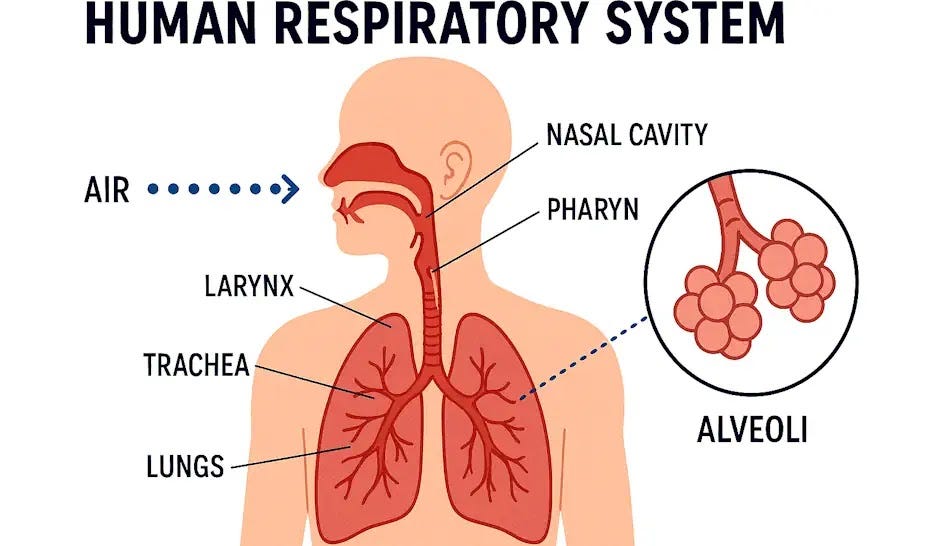
Pneumonia occurs when pathogens reach the alveoli, the tiny air sacs where oxygen exchange happens.
Introduction: The "Contagion" Confusion
When a loved one is diagnosed with a lung infection, the first question is almost always:
Is pneumonia contagious?
The answer is more nuanced than a simple "yes" or "no." While pneumonia itself is defined as an inflammation of the air sacs (alveoli) in your lungs, the germs that cause it-bacteria, viruses, and fungi-can often be passed from person to person.
In this guide, we will explore the mechanisms of pneumonia transmission, the specific risks associated with different types of the disease, and how you can protect yourself and your family. By the end of this article, you will have the "medical vocabulary" necessary to facilitate better, more effective healthcare conversations with your provider.
Key Takeaways for Patients
Pneumonia isn't a single disease: It is a condition caused by various pathogens, some of which are highly contagious.
Transmission occurs via droplets: Most infectious causes spread through coughing, sneezing, or touching contaminated surfaces.4
Atypical pneumonia is on the rise: Mycoplasma pneumoniae (walking pneumonia) saw record spikes in 2024-2025.
Vaccination is your best shield: Vaccines for flu, COVID-19, and pneumococcal bacteria significantly reduce risk.
The "Host" matters: Your underlying health determines if a "cold" germ turns into full-blown pneumonia.
How Pneumonia Spreads: The Mechanics of Transmission
To understand is pneumonia contagious, we must look at how the underlying pathogens move. Most cases of infectious pneumonia are spread through respiratory droplets. When an infected person coughs or sneezes, they release tiny particles containing the virus or bacteria into the air.
The Role of Respiratory Droplets
If you inhale these droplets or touch a surface where they have landed and then touch your mouth or nose, the pathogen can enter your respiratory tract.7 However, getting the germ doesn't always mean you'll get pneumonia. In many cases, the germ might only cause a mild upper respiratory infection (a "cold"). Pneumonia occurs when the infection travels deep into the lungs.
Comparing Types: Which Ones Are Contagious?
Not all pneumonia is created equal. The level of "contagiousness" depends heavily on the source of the inflammation.
1. Viral Pneumonia
Viral pneumonia is caused by viruses such as influenza (the flu), RSV, or SARS-CoV-2 (COVID-19).9 These are highly contagious. If you catch the virus from someone, you may develop the same lung complications they have.
2. Bacterial Pneumonia
The most common cause of bacterial pneumonia is Streptococcus pneumoniae. While the bacteria can be spread through close contact, it often lives harmlessly in the throats of healthy people. It usually only causes pneumonia when a person's immune system is weakened by another illness.
3. Walking Pneumonia (Atypical)
Mycoplasma pneumoniae, often called walking pneumonia, is known for being highly contagious, particularly in crowded settings like schools or nursing homes. In 2024, the CDC noted a significant cyclical surge in these cases, especially among younger children.
4. Non-Contagious Pneumonia
Aspiration Pneumonia: Caused by inhaling food, drink, or vomit into the lungs. This is not contagious.
Fungal Pneumonia: Caused by spores in the environment (like soil). This cannot be spread from person to person.
Real-Life Case Studies: The 2024-2025 Surge
Case Study 1: The Multi-Generational Household
In late 2024, a 42-year-old male developed a persistent dry cough. He was diagnosed with walking pneumonia caused by Mycoplasma. Within two weeks, his 5-year-old daughter and 70-year-old mother both developed respiratory symptoms. While the father remained "walking" (ambulatory), the grandmother required hospitalization. This illustrates how a contagious pathogen affects different age groups with varying severity.
Case Study 2: The Secondary Infection
A 65-year-old woman contracted a standard seasonal flu. While the flu virus is contagious, her condition worsened a week later when she developed bacterial pneumonia (S. pneumoniae). In this case, the initial virus was the contagious "invader," but the pneumonia was a secondary complication that developed because her lungs were already stressed.
Facilitating Better Healthcare Conversations
When you speak with your doctor, use specific terms to get clearer answers. Instead of asking "Will I get better?" try these targeted questions:
"Is my pneumonia classified as community-acquired pneumonia (CAP) or is it atypical?"
"Based on my symptoms, do we suspect a viral or bacterial cause, and will antibiotics be effective?"
"What is my current oxygen saturation, and at what level should I seek emergency care?"
Glossary of Key Terms
Alveoli: Tiny air sacs in the lungs where the lungs and the blood exchange oxygen and carbon dioxide.
Community-Acquired Pneumonia (CAP): Pneumonia contracted outside of a hospital or healthcare setting.16
Immunosenescence: The gradual deterioration of the immune system caused by natural aging.
Mycoplasma pneumoniae: A type of "atypical" bacteria that lacks a cell wall, making it resistant to some common antibiotics like penicillin.17
Pathogen: A bacterium, virus, or other microorganism that can cause disease.18
Sepsis: A life-threatening emergency happened when the body's response to an infection damages its own tissues.
Frequently Asked Questions (FAQs)
1. How long is someone with pneumonia contagious?
Generally, for bacterial pneumonia, you are considered less contagious after 24 to 48 hours of effective antibiotic treatment. For viral pneumonia, you remain contagious as long as you have symptoms, often up to a week.
2. Can I get pneumonia twice?
Yes. Because pneumonia can be caused by hundreds of different germs, having it once does not provide permanent immunity against other types.
3. Does a mask prevent pneumonia transmission?
Yes, masks are highly effective at blocking the respiratory droplets that carry the viruses and bacteria responsible for pneumonia transmission.
4. Why is walking pneumonia called "atypical"?
It is called "atypical" because the symptoms are often different (milder, no phlegm) and it doesn't respond to the antibiotics used for "typical" pneumonia.
5. Are there vaccines for pneumonia?
There are vaccines for pneumococcal bacteria (PCV13, PCV15, PPSV23) as well as vaccines for the flu and COVID-19, which are common precursors to pneumonia.
Pneumonia Contagious: Common Questions
Is pneumonia itself contagious or just the germs?
Pneumonia itself isn’t contagious, but the bacteria and viruses that cause it can spread between people through respiratory droplets.
How does pneumonia spread from person to person?
Pneumonia-causing germs spread mainly through droplets from coughing, sneezing, or talking. They can also spread by touching contaminated surfaces and then touching your face.
Can you catch pneumonia from someone who doesn’t look sick?
Yes. Some infections, such as walking pneumonia, can spread even when the person has mild or no symptoms.
How long is pneumonia contagious?
Contagious periods vary. Bacterial pneumonia is usually less contagious after 48 hours of antibiotics. Viral pneumonia can spread until symptoms improve and fever resolves.
Is fungal pneumonia contagious?
No. Fungal pneumonia does not spread between people.
Can pneumonia spread through shared surfaces?
Yes, though less commonly. Germs can transfer from surfaces to your hands and then to your nose, mouth, or eyes.
Does pneumonia spread easily in households?
Close-contact environments like homes, schools, and care facilities increase the chance of transmission.
Can cold weather cause pneumonia?
Cold weather doesn’t cause pneumonia. Infections do. Cold air can irritate airways, making infections more likely.
What lung symptoms suggest pneumonia?
Common symptoms include cough, fever, chills, shortness of breath, chest discomfort, and fatigue.
Can pneumonia cause long-term lung problems?
Most people recover fully, but severe pneumonia can cause temporary or lasting inflammation that takes weeks to resolve.
Who is most at risk for severe pneumonia?
Adults over 65, young children, smokers, and people with chronic conditions such as asthma, diabetes, or heart disease face higher risks.
Can pneumonia develop after the flu?
Yes. Flu infections can weaken the lungs and lead to viral or bacterial pneumonia.
Does pneumonia always cause a wet cough?
No. Viral pneumonia often causes a dry cough, while bacterial pneumonia may produce mucus.
When is it safe to return to work?
People usually return once fever has been gone for 24 hours without medication and symptoms are improving. Precautions like masking help protect others.
How can pneumonia spread be reduced?
Handwashing, masking around sick people, disinfecting surfaces, improving indoor air, and staying current on recommended vaccines help reduce spread.
Conclusion: Knowledge is the Best Medicine
Understanding the nuances of is pneumonia contagious allows you to take proactive steps in your recovery and prevention. Whether it's choosing to wear a mask in crowded spaces during a surge or ensuring your vaccinations are up to date, your health is a collaborative effort between you and your medical team. Stay curious, stay informed, and never hesitate to advocate for your respiratory health.
Toggle References
Griffiths, A. (2025). Pneumonia Cases Are High: How to Protect Yourself. Tufts Now. Source
Shah, S., et al. (2025). Mycoplasma pneumoniae Infections in Hospitalized Children - United States, 2018-2024. MMWR / CDC.20 Source
Czarnecka-Chrebelska, K. H., & Kishore, U. (2025).21 Editorial: Case reports in pulmonary medicine 2024. Frontiers in Medicine.22 Source
Martin-Loeches, I., et al. (2025). Community Acquired Pneumonia Seminar. The Lancet.23 Source
World Pneumonia Day Report. (2024). Fighting Pneumonia and Antimicrobial Resistance. PMC / NIH. Source
"Everything You Need to Know About Pneumonia". Www.Healthline.Com, 2025, https://www.healthline.com/health/pneumonia. Accessed 29 Dec 2025.
"Vardhmaan Jain. Pneumonia Pathology". Www.Ncbi.Nlm.Nih.Gov, 2025, https://www.ncbi.nlm.nih.gov/books/NBK526116/. Accessed 29 Dec 2025.
"Mycoplasma Pneumoniae Infections Have Been Increasing". Www.Cdc.Gov, 2025, https://www.cdc.gov/ncird/whats-new/mycoplasma-pneumoniae-infections-have-been-increasing.html. Accessed 29 Dec 2025.
"Is Pneumonia Contagious?". Www.Lung.Org, 2025, https://www.lung.org/lung-health-diseases/lung-disease-lookup/pneumonia/what-causes-pneumonia/is-pneumonia-contagious. Accessed 31 Dec 2025.
"Medical Author: Karthik Kumar, MBBSMedical Reviewer: Shruthi N, MBBS, MD. How Long Is Pneumonia Contagious?". Www.Medicinenet.Com, 2025, https://www.medicinenet.com/how_long_is_pneumonia_contagious/article.htm. Accessed 31 Dec 2025.
"Pneumonia". Www.Health.Harvard.Edu, 2025, https://www.health.harvard.edu/topics/pneumonia. Accessed 31 Dec 2025.