

Inflation's Impact on Health and Healthcare: A Senior Citizen's Guide

For seniors, inflation isn't just a financial metric—it is a direct threat to physical longevity. When the cost of life-saving prescriptions and preventive screenings outpaces fixed-income adjustments, healthcare becomes a "discretionary" expense. This article breaks down why the 2026 economic landscape requires a proactive shift from passive saving to strategic healthcare advocacy to ensure that a declining bank balance doesn't lead to declining health.
How does inflation impact senior healthcare in 2026?
Prescription Costs: Prices for maintenance drugs often rise faster than the standard inflation rate.
Medicare Adjustments: Rising labor costs in hospitals lead to higher Part B premiums and deductibles.
Fixed Income Gap: While Social Security offers a COLA (Cost of Living Adjustment), it rarely keeps pace with the "medical inflation" of clinical services.
Long-Term Care: Labor shortages in nursing and home health drive up the cost of aging-in-place services.
Medical Disclaimer: This content is for informational and educational purposes only. It does not replace professional medical advice, diagnosis, or treatment. Always consult a qualified healthcare provider regarding any medical condition.

Healthcare providers play a critical role in helping seniors manage the intersection of medical needs and financial constraints.
Inflation—the steady rise in the price of goods and services—acts as a "stealth tax" on retirees. For those on fixed incomes, the 2026 economic environment has made it increasingly difficult to bridge the gap between Social Security checks and the soaring costs of modern medicine. When basic needs like groceries compete with co-pays for heart medication, the long-term health consequences can be devastating.
Inflation: A Complex Economic Puzzle
Inflation isn't a single "event" but a result of shifting monetary policies, supply chain disruptions, and labor market trends. Economists note that while general inflation may fluctuate, medical inflation often remains higher than the Consumer Price Index (CPI). This "healthcare premium" means that even if gas prices drop, your insulin or physical therapy costs may continue to climb.
The Rising Cost of Healthcare
While Medicare provides a safety net, it was never intended to cover 100% of expenses. Inflation drives up the "behind-the-scenes" costs for providers—wages for nurses, electricity for hospitals, and chemical components for drugs—which eventually trickles down to the patient in the form of higher premiums and deductibles.
Understanding the Healthcare Price Surge
Medical Goods & Services: Specialized equipment and raw drug materials are subject to global supply chain volatility.
Labor Shortages: As wages for healthcare workers rise to meet inflation, hospitals must adjust billing to sustain operations.
Long-Term Care Realities: Assisted living and nursing home costs are rising faster than general inflation due to the high intensity of labor required.
Strategies for Financial and Physical Well-being
Protecting your health during inflationary periods requires a mix of financial savvy and medical proactivity:
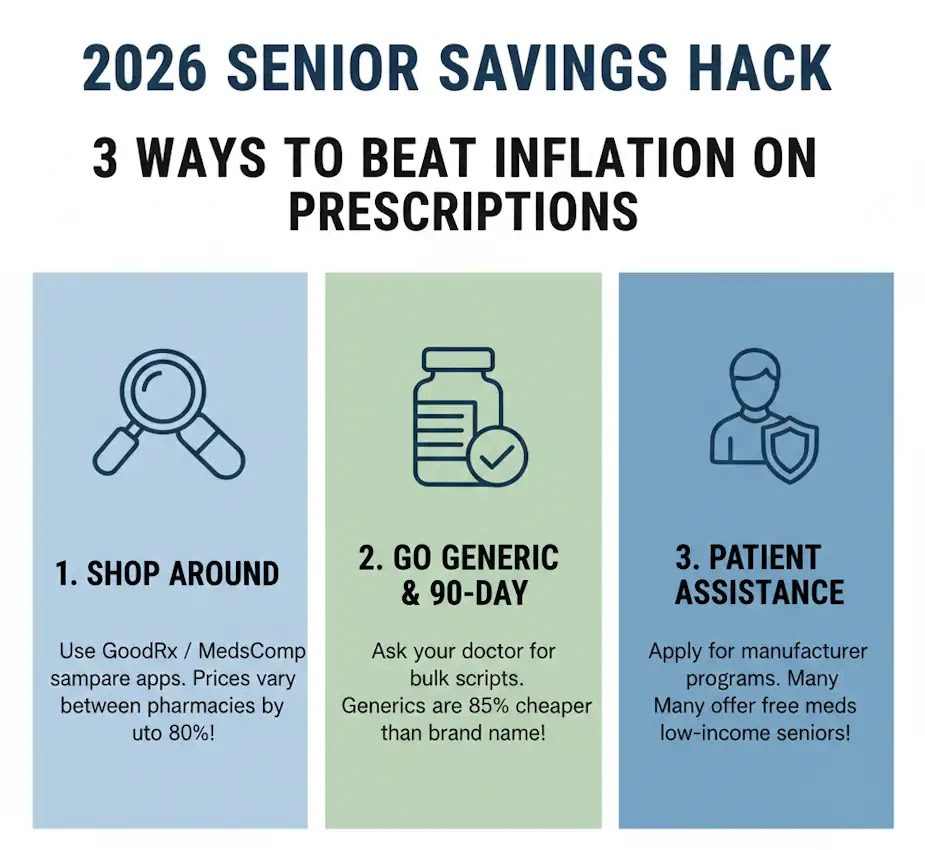
Prescription Advocacy: Ask your doctor for 90-day supplies or generic alternatives. Use tools like GoodRx or manufacturer assistance programs.
Prioritize Prevention: Do not skip "free" Medicare wellness visits. Catching a condition at the "check-up stage" is thousands of dollars cheaper than treating it at the "ER stage."
Bill Negotiation: Many hospitals have "Financial Assistance" or "Charity Care" policies for those on fixed incomes. Always ask for an itemized bill and check for errors.
Community Resources: Local "Area Agencies on Aging" (AAA) can often help with fuel assistance or meal programs, freeing up funds for medical co-pays.
Low-Volume Keyword FAQ: Targeted Answers
These questions reflect specific, high-intent searches common among seniors navigating the current economy.
Does Medicare Part B premium increase with inflation?
Yes. Medicare Part B premiums are adjusted annually. In years with high inflation, premiums often rise to cover the increased cost of outpatient services. However, the "Hold Harmless" provision protects most seniors from seeing a decrease in their Social Security check if the premium hike exceeds their Cost-of-Living Adjustment (COLA).
Are senior living costs tax-deductible during high inflation?
If you live in an assisted living facility primarily for medical reasons, a portion of the costs may be deductible as an unreimbursed medical expense. This can provide significant tax relief when inflation eats into your savings. Consult a tax professional to see if you meet the "chronically ill" criteria defined by the IRS.
How do I find prescription assistance programs (PAPs) for 2026?
Many pharmaceutical companies offer PAPs that provide name-brand medications for near-zero cost to those on fixed incomes. Websites like Medicine Assistance Tool or NeedyMeds stay updated with 2026 eligibility requirements. Your doctor's "social worker" or "patient navigator" is also a vital resource for these applications.
FAQ
What is inflation's impact on seniors' healthcare?
Inflation directly affects seniors' healthcare by increasing the cost of life-saving prescriptions and preventive screenings. As prices rise, fixed-income adjustments often can't keep up, making healthcare a discretionary expense. This can lead to delayed or foregone care, ultimately threatening physical longevity. Staying informed about cost-saving programs can help mitigate this impact.
How do I protect my healthcare from inflation?
To protect your healthcare, prioritize preventive care and stay informed about cost-saving programs. Research affordable alternatives, such as generic prescriptions or community clinics, and take advantage of senior-focused initiatives. By being proactive, you can ensure that your health remains a priority, even in uncertain economic times. Regularly review your budget and healthcare options to make informed decisions.
Can I afford healthcare on a fixed income?
It can be challenging to afford healthcare on a fixed income, especially with inflation. However, there are resources available to help. Many organizations offer financial assistance programs or sliding-scale fees for seniors. Additionally, some preventive services are covered by Medicare or other insurance plans. By exploring these options and prioritizing your health, you can access affordable care and maintain your well-being.
Why should I prioritize preventive care?
Prioritizing preventive care is crucial because it helps detect health issues early, reducing the risk of costly and complicated treatments down the line. Regular check-ups and screenings can also prevent minor problems from becoming major ones. By investing in preventive care, you can avoid more significant expenses and health concerns in the future, ultimately protecting your physical and financial well-being.
What are the best cost-saving strategies for seniors?
The best cost-saving strategies for seniors include researching affordable healthcare options, such as community clinics or telemedicine services, and taking advantage of senior-focused programs. You can also save by using generic prescriptions, negotiating medical bills, and prioritizing preventive care. Additionally, many organizations offer financial assistance or discounts for seniors, so it's essential to explore these resources and ask about available options.
Conclusion
Inflation is a hurdle, but it doesn't have to be a dead end. By staying informed on cost-saving programs and refusing to delay preventive care, you can ensure that your health remains your greatest asset, regardless of the economic climate.
📘 Related Patient Resources
The Log Daily Glucose Tracker →
The Foundation Beginner’s Guide to Diabetes →
Liver Health Metabolic Syndrome & Cirrhosis →