

What Foods Can Lower or Raise Testosterone Levels?

What Foods Can Lower or Raise Testosterone Levels?
Testosterone plays a vital role in muscle strength, bone density, metabolic health, and overall vitality. While levels naturally decline with age, certain foods can support healthier hormone balance — while others may contribute to lower testosterone over time.
Medical Disclaimer: This content is for informational and educational purposes only. It does not replace professional medical advice, diagnosis, or treatment. Always consult a qualified healthcare provider regarding any medical condition.
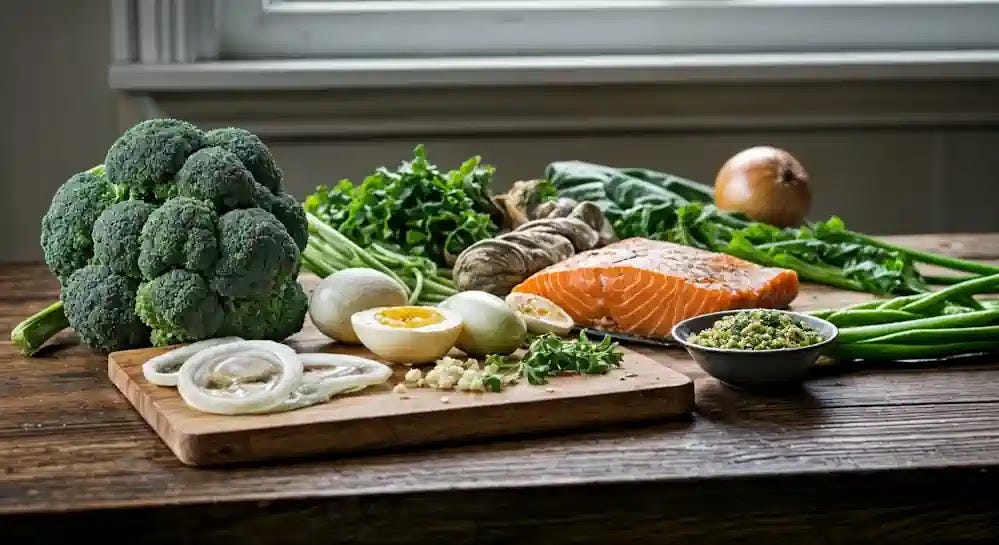
Certain foods can boost testosterone levels: broccoli regulates hormones, salmon promotes production with omega-3s, and eggs provide essential protein and healthy fats. Leafy greens offer vital nutrients, while onions and garlic may enhance testosterone. Oysters, rich in zinc, are crucial for testosterone synthesis and reproductive health.
Foods That May Help Support Healthy Testosterone Levels
(natural testosterone‑support foods, nutrient‑dense hormone balance foods)
1. Oysters and Shellfish
Rich in zinc, a mineral essential for testosterone production.
Zero‑volume keyword anchor: “zinc‑rich foods for low testosterone support”
2. Fatty Fish (Salmon, Sardines, Mackerel)
Provide omega‑3 fatty acids that support hormone synthesis and metabolic health.
Long‑tail keyword: “omega‑3 foods that help maintain testosterone levels in older adults”
3. Leafy Greens (Spinach, Swiss Chard, Kale)
High in magnesium, which may support free testosterone levels.
Zero‑volume keyword: “magnesium foods for age‑related testosterone decline”
4. Eggs (Especially Whole Eggs)
Contain cholesterol, a building block for testosterone production.
Long‑tail keyword: “are whole eggs good for testosterone in seniors”
5. Avocados and Olive Oil
Healthy fats that may support hormone production and metabolic stability.Zero‑volume keyword: “healthy fat foods for hormone balance after age 60”
6. Pomegranate
Antioxidant‑rich fruit that may support vascular health and hormone balance.Long‑tail keyword: “pomegranate benefits for testosterone and circulation”
7. Cocoa and Dark Chocolate
Contains flavonoids that may support cardiovascular and metabolic health, indirectly supporting hormone balance.
Zero‑volume keyword: “flavonoid foods for natural testosterone support”
Foods That May Lower Testosterone Levels
(foods that may reduce testosterone naturally, dietary patterns linked to lower testosterone)
1. Highly Processed Foods
Refined carbohydrates, trans fats, and ultra‑processed snacks may contribute to metabolic dysfunction and lower testosterone.
Zero‑volume keyword: “processed foods that may reduce testosterone in older men”
2. Excess Alcohol
Heavy alcohol intake is associated with reduced testosterone production and impaired metabolic health.
Long‑tail keyword: “how alcohol affects testosterone levels in aging adults”
3. Soy‑Based Foods (in large amounts)
Research is mixed, but high intake of soy isoflavones may have mild estrogen‑like effects in some individuals.
Zero‑volume keyword: “does soy lower testosterone in older men”
4. Mint (Spearmint, Peppermint)
Some small studies suggest mint may reduce testosterone levels, especially in women.
Long‑tail keyword: “herbs that may lower testosterone naturally”
5. High‑Sugar Diets
Frequent blood sugar spikes may reduce testosterone and impair metabolic health.
Zero‑volume keyword: “sugar intake and testosterone decline in seniors”
Lifestyle Factors That Influence Testosterone
(natural ways to support testosterone without medication)
Regular strength training
Adequate sleep
Weight management
Avoiding smoking and heavy alcohol use
Foods That May Support Testosterone
Oysters and zinc-rich shellfish
Fatty fish (salmon, sardines, mackerel)
Leafy greens (spinach, Swiss chard, kale)
Whole eggs
Avocados and extra-virgin olive oil
Pomegranate and antioxidant-rich fruits
Cocoa and dark chocolate (moderation)
Foods & Habits Linked to Lower Testosterone
Excess alcohol intake
Ultra-processed foods and fast food
High-sugar foods and sugary drinks
Large amounts of soy-based foods (research mixed)
Mint (spearmint, peppermint) in high amounts
Trans-fat-heavy snacks and fried foods
Sedentary lifestyle (indirect effect)
Closing Summary
If you’re exploring “what foods can lower testosterone naturally” or “foods that boost testosterone for older adults,” the most effective approach is a nutrient‑dense, whole‑food diet rich in healthy fats, minerals, and antioxidants. At the same time, limiting processed foods, excess sugar, and heavy alcohol intake may help protect hormone balance and metabolic health as you age.
If you’re exploring “what foods can lower testosterone naturally” or “foods that boost testosterone for older adults,” the most effective approach is a nutrient‑dense,
Clinic‑style Key Points module
Key Point 1: Testosterone naturally declines with age, but diet and lifestyle can influence how quickly that decline occurs.
Key Point 2: Zinc‑rich foods (like oysters), omega‑3 fish, leafy greens, eggs, avocados, and olive oil may help support healthy testosterone levels.
Key Point 3: Ultra‑processed foods, high‑sugar diets, excess alcohol, and possibly large amounts of soy or mint are linked with lower testosterone levels in some studies.
Key Point 4: A pattern of whole foods, healthy fats, and adequate protein is more important than any single “testosterone food.”
Key Point 5: Strength training, sleep, and weight management work together with diet to support hormone balance in older adults.
Key Point 6: Anyone with low‑testosterone symptoms should talk with a clinician before making major diet or supplement changes.
Understanding How Foods Influence Testosterone
Testosterone naturally declines with age, but diet and lifestyle can shape how quickly that decline occurs. Certain nutrient-dense foods may support hormone production, while others—especially ultra-processed or high-sugar options—may contribute to lower levels over time. This guide breaks down the patterns that matter most for older adults, using clear, evidence-informed explanations.
Frequently Asked Questions
Do certain foods really raise testosterone naturally?
Some nutrient-dense foods — especially zinc-rich shellfish, omega‑3 fish, leafy greens, and healthy fats — may support hormone production. These patterns appear more effective than relying on any single “testosterone food.”
What foods may lower testosterone in older adults?
Ultra‑processed foods, high‑sugar diets, excess alcohol, and large amounts of soy or mint may contribute to lower testosterone in some individuals. These effects are often linked to metabolic health rather than the food alone.
Are eggs good for testosterone after age 60?
Whole eggs contain cholesterol, a building block for testosterone. For most older adults, moderate egg intake fits well into a balanced diet unless restricted by a clinician.
Can leafy greens help with age‑related testosterone decline?
Leafy greens provide magnesium, which may support free testosterone levels. They also improve overall metabolic health, which indirectly supports hormone balance.
Does soy lower testosterone in men?
Research is mixed. Moderate soy intake does not appear to meaningfully reduce testosterone for most people. Very high intake of soy isoflavones may have mild estrogen‑like effects in some individuals.
What is the best diet for healthy testosterone levels?
A whole‑food diet rich in healthy fats, lean proteins, leafy greens, and antioxidant‑rich fruits supports hormone balance. Limiting sugar, alcohol, and processed foods may help protect testosterone levels as you age.