

Vaccines after 50 - To Stay Healthy and Safe

Staying Healthy After 50: Essential Vaccines You Should Get
Vaccinations are a crucial safeguard for adults over 50, protecting them from a range of diseases and promoting overall health and longevity. As we age, our immune system weakens, making us more susceptible to infections. Vaccinations offer a powerful defense against these illnesses.
Medical Disclaimer: This content is for informational and educational purposes only. It does not replace professional medical advice, diagnosis, or treatment. Always consult a qualified healthcare provider regarding any medical condition
.
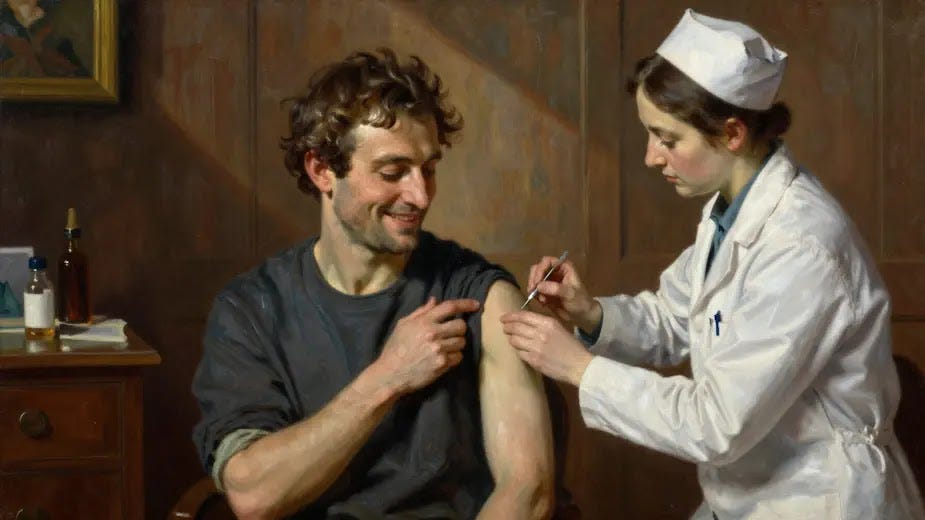
Vaccinations are crucial for protecting older adults' health, defending against diseases and promoting longevity.
Recommended Vaccines for Adults Over 50
Annual Flu Vaccine: This shot shields you from seasonal influenza's severe complications, like pneumonia and bronchitis, which are especially risky for older adults.
Pneumococcal Vaccines (Prevnar 13 and Pneumovax 23): These vaccines guard against serious infections like pneumonia and meningitis.
Tdap Vaccine (Tetanus, Diphtheria, Pertussis): The Tdap vaccine, which protects against tetanus, diphtheria, and pertussis (commonly known as whooping cough), is strongly advised by healthcare experts. They emphasize its importance as a way to prevent these serious diseases. Adults should get a Tdap or Td booster every 10 years, or every 5 years if they have a serious wound or burn, according to the CDC.
Shingrix Vaccine: This vaccine significantly reduces the risk of shingles, a painful condition caused by the varicella-zoster virus, the same virus responsible for chickenpox.
COVID-19 Vaccine and Boosters: COVID-19 vaccines and boosters are essential for protection against the ongoing threat of the COVID-19 virus. They significantly reduce the chances of serious illness, hospitalization, and death.
RSV: The CDC recommends RSV vaccination for individuals 75 and older and for high-risk adults aged 60 to 74. The vaccine is not required annually, and those already vaccinated should not receive another dose now. Vaccination is encouraged from late summer to early fall.
Additional Considerations for Adults Over 50
Travel Vaccines: Depending on your destination, getting vaccinated against Hepatitis A and Hepatitis B might be necessary.
Meningococcal Disease Vaccine: If you're traveling to regions with high meningococcal disease prevalence, getting vaccinated is crucial.
Polio Vaccine: If you haven't been vaccinated for polio before, getting the vaccine is strongly advised due to the risk of paralysis from poliovirus infection.
Why Are Vaccines Important for Adults Over 50?
The flu causes many hospitalizations and deaths each year, especially among older adults, with 50-70% of hospitalizations and 70-85% of deaths in those 65 and older.
COVID-19 has resulted in nearly 1.2 million deaths in the U.S. and millions of hospitalizations, posing a high risk for adults aged 50 and above.
RSV, while often linked to children, is also dangerous for older adults, leading to 60,000-160,000 hospitalizations and 6,000-10,000 deaths annually in those 65 and older.
Pneumococcal disease, a major cause of pneumonia, has historically caused more deaths than other vaccine-preventable diseases, particularly affecting young children and older adults.
Vaccination against whooping cough is crucial for those over 65, as the Tdap vaccine prevents the illness in about 70% of recipients in the first year.
One in three people will develop shingles, usually after age 50, with the risk rising with age. By 85, about 50% will have at least one episode. Both chickenpox and shingles are caused by the varicella zoster virus, which can reactivate when the immune system is weakened.
Vaccinations are vital for adults over 50 because they:
Prevent serious diseases that can lead to poor health, missed work, medical bills, and difficulty caring for family.
Strengthen the immune system by introducing a harmless part of a virus or bacteria, triggering antibody production to fight off future infections.
Protect not only yourself but also your loved ones and community by creating herd immunity.
Reduce the chances of complications and hospital admissions for those with chronic health conditions.
How and Where to Get Vaccinated
Healthcare Providers: Your doctor's office or local clinic can provide the necessary vaccines based on your age, health, and travel plans.
Pharmacies: Many pharmacies offer vaccinations for flu, pneumonia, and shingles.
Public Health Clinics: These clinics offer vaccines at low or no cost to those who may not have access to traditional healthcare providers.
Understanding the Potential Side Effects of Vaccinations
Vaccinations are generally safe and effective, but some mild side effects may occur, such as:
Soreness or redness at the injection site
Mild fever
Fatigue
Headache
These side effects typically go away on their own within a few days. In rare instances, more severe side effects may occur, requiring medical attention.
The Benefits of Vaccination Far Outweigh the Risks
Vaccination benefits significantly outweigh the risks of side effects. Vaccines have demonstrably prevented serious diseases, saving countless lives.
Vaccines Are Essential for Public Health
Vaccinations are a cornerstone of public health, offering a safe and effective way to prevent diseases and promote community well-being. The herd immunity achieved through widespread vaccination protects everyone.
Key Takeaways for Staying Healthy After 50
Regular vaccinations are critical for adults over 50 due to a weakened immune system.
New vaccines, like Shingrix and the RSV vaccine, offer further protection for older adults.
The CDC recommends annual flu vaccination for all adults, especially those over 50.
Consult your healthcare provider to ensure you're up to date on all recommended vaccinations.
Getting vaccinated is a simple yet powerful way to safeguard your health after 50.
Key Takeaways
Immune System Decline: As we age, "immunosenescence" naturally weakens our body's defenses, making vaccines like Shingrix and Pneumococcal essential.
Preventative Power: Vaccinations for those over 50 drastically reduce the severity of illnesses, preventing up to 85% of flu-related deaths in seniors.
Community Shield: Maintaining up-to-date boosters contributes to "herd immunity," protecting grandchildren and immunocompromised family members.
Accessibility: Most preventative vaccines for adults over 50 are covered by insurance or Medicare Part D with little to no out-of-pocket cost.
Verity Facts (Medical & Statistical Realities)
Shingles Risk: Approximately 1 in 3 people will develop shingles in their lifetime; the Shingrix vaccine is over 90% effective in preventing it.
Pneumonia Impact: Pneumococcal disease is a leading cause of vaccine-preventable death; the CDC recommends specific sequences of PCV15/20 for adults 65+ or those 50+ with certain conditions.
RSV in Adults: While often viewed as a pediatric issue, RSV causes up to 160,000 hospitalizations annually among older U.S. adults.
Tetanus Boosters: Protection from the Tdap vaccine wanes over time, which is why a booster is required every 10 years regardless of age.
FAQ
Q: Can I get the Shingles and Flu vaccine at the same time?
A: Yes. According to the CDC, you can receive the Shingrix vaccine and the seasonal influenza vaccine during the same visit, typically in different arms.
Q: Is there a specific "senior" flu shot for those over 50?
A: While standard shots are available, for those 65 and older, "high-dose" or "adjuvanted" flu vaccines are specifically recommended as they create a stronger immune response.
Q: Do I need a referral for vaccinations at a pharmacy?
A: In most states, pharmacists can administer CDC-recommended vaccines (like Flu, Shingles, and Pneumonia) without a specific doctor's prescription for adults over 50.
Q: What is the "window" for the RSV vaccine?
A: Healthcare providers suggest getting the RSV vaccine in late summer or early fall to ensure maximum protection before the winter respiratory virus season peaks.
📅 Don't Leave Your Health to Chance
Vaccines are most effective when taken before you are exposed to illness. Use this quick checklist for your next doctor's visit:
Vaccine Ask Your Doctor... Shingrix "I'm over 50; can I start my 2-dose shingles series?" Tdap "Is it time for my 10-year Tetanus/Whooping Cough booster?" RSV "Based on my risk profile, do I need the RSV shot this fall?"
Tip: Most pharmacies offer these shots with $0 copay under Medicare Part D.
Influenza
Recommended Age / Frequency: Annually (Every Fall)
Primary Benefit: Prevents severe flu & pneumonia
Tdap
Recommended Age / Frequency: Every 10 years
Primary Benefit: Protects against Whooping Cough
Shingrix
Recommended Age / Frequency: 2 doses (Age 50+)
Primary Benefit: 90%+ protection against Shingles
Pneumococcal
Recommended Age / Frequency: Once (Age 65+) or earlier if high-risk
Primary Benefit: Prevents bloodstream infections
RSV
Recommended Age / Frequency: Seasonal (Age 60–75+ via consultation)
Primary Benefit: Prevents severe lower respiratory tract disease
☐
Shingrix
“I am over 50; am I a candidate for the 2‑dose shingles series?”
☐
Annual Flu
“Is the high‑dose version better for my current health status?”
☐
Tdap Booster
“When was my last tetanus shot, and do I need a whooping cough booster?”
☐
Pneumococcal
“Based on my history, do I need the Prevnar 13 or Pneumovax 23 yet?”
☐
RSV
“Given my respiratory health, should I get the RSV shot this season?”
Professional Sources
Vaccines for Adults: a Guide for Your 40's, 50's, and More (healthline.com)
Tdap (Tetanus, Diphtheria, Pertussis) Vaccine VIS | Vaccines & Immunizations | CDC
Shingrix Vaccine: Dosing, Side Effects, and Warnings (verywellhealth.com)
Challenges of Pediatric Disease in Adulthood - PMC (nih.gov)
What are some potential side effects of vaccines? (medicalnewstoday.com)