

Healthy Aging in 2026: Evidence‑Based Tips for a Vibrant Life

Science‑backed strategies to stay strong, sharp, and independent!
Healthy aging is no longer about simply living longer—it’s about living better with strength, clarity, and independence. Evidence from 2024–2025 shows that targeted movement therapies, smart prevention, and personalized care conversations can dramatically improve quality of life well into later decades.
Medical Disclaimer: This content is for informational and educational purposes only. It does not replace professional medical advice, diagnosis, or treatment. Always consult a qualified healthcare provider regarding any medical condition.
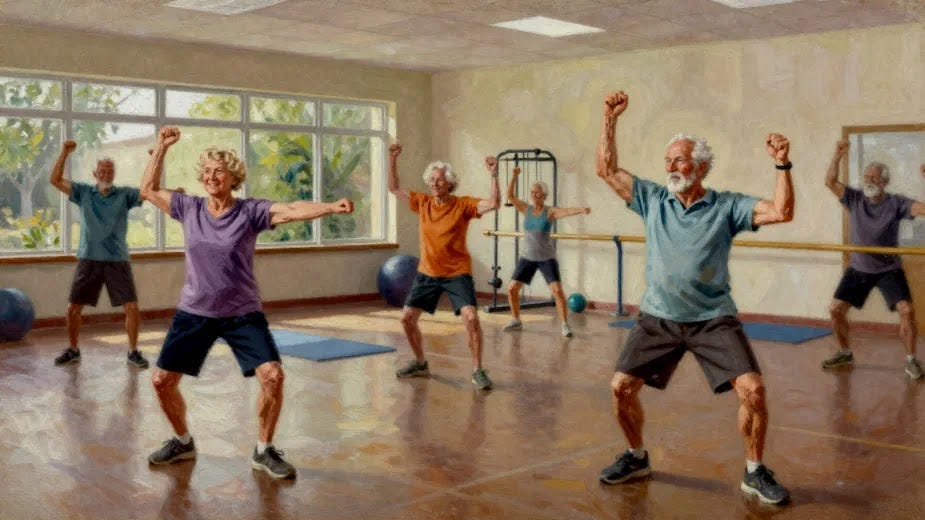
Evidence‑based movement supports independence and longevity.
Introduction: Aging Has Changed—And That’s Good News
Aging in 2026 looks very different from aging even a decade ago. Longer life expectancy, advances in preventive medicine, and a deeper understanding of how lifestyle influences longevity have reshaped what it means to grow older. Today, healthy aging focuses on preserving physical strength, cognitive function, emotional well‑being, and independence—well into our 70s, 80s, and beyond.
Rather than reacting to illness, modern senior health emphasizes active aging, proactive prevention, and informed conversations with healthcare providers. This article empowers you with research‑based insights so you can ask better questions, weigh therapies confidently, and co‑create a care plan that aligns with your goals.
Integrated Key Points
Healthy aging prioritizes function, not just lifespan
Resistance and balance training are among the most effective longevity tools
Nutrition, cognition, and movement work together, not separately
Informed patients achieve better healthcare outcomes
Why Healthy Aging Is a Global Health Priority
According to the World Health Organization, adults over 65 now represent one of the fastest‑growing population groups worldwide, driving an urgent need for sustainable aging strategies (who.int). Research increasingly shows that lifestyle interventions—especially physical activity—can delay or reduce chronic disease burden.
Section Key Points
Aging does not equal decline
Functional capacity can improve at almost any age
Prevention outperforms late‑stage treatment
Top Health Trends Shaping Aging Today
1. Strength and Balance Training as Medicine
Once considered optional, resistance and balance training are now viewed as first‑line therapies for fall prevention and mobility preservation. A 2025 randomized controlled trial found that combined resistance and balance programs significantly improved walking speed, muscle strength, and dynamic balance in adults aged 60–74, with no serious adverse effects (pubmed.ncbi.nlm.nih.gov).
Why it matters: Falls remain a leading cause of injury‑related hospitalization in older adults, and strength training directly addresses that risk.
2. Smarter Prevention, Fewer Supplements
In contrast to popular belief, vitamin D and calcium supplementation alone do not meaningfully reduce falls in healthy older adults, according to updated U.S. Preventive Services Task Force guidance (verywellhealth.com). Movement, not pills, delivers the strongest protection.
3. Cognitive Fitness Goes High‑Tech
Emerging therapies integrate physical movement with cognitive challenges. Studies published in 2024 demonstrate that combined physical‑cognitive training improves executive function and reaction time in older adults at risk of cognitive decline (arxiv.org).
4. Nutrition Across the Lifespan
NIH research released in 2025 confirms that healthier eating patterns in midlife correlate with better physical and cognitive health decades later, reinforcing nutrition as a lifelong investment in longevity (nih.gov).
Interactive Decision Tree: Is Strength‑Based Therapy Right for You?
Start Here:
Have you experienced a fall in the last 12 months?
Yes → Proceed to Step 2
No → Step 3
Do you have osteoporosis, arthritis, or balance issues?
Yes → Supervised resistance + balance therapy strongly recommended
No → Begin low‑intensity strength training with guidance
Are you struggling with mobility, rising from chairs, or stairs?
Yes → Functional strength therapy likely beneficial
No → Preventive strength program still advised
Always consult your clinician before starting new therapies.
Real‑Life Case Studies
Case Study 1: Regaining Independence at 72
Margaret, 72, avoided exercise after a minor fall. After enrolling in a 24‑week resistance‑balance program, she improved her walking speed and reported renewed confidence navigating stairs—mirroring outcomes seen in clinical trials (pubmed.ncbi.nlm.nih.gov).
Case Study 2: Cognitive Clarity Through Movement
James, 68, noticed mild memory lapses. He joined a community program combining light aerobic exercise with cognitive games. After three months, his attention and reaction time improved, consistent with findings from 2024 cognitive‑physical training studies (arxiv.org).
Case Study 3: Nutrition as Preventive Care
Linda, 61, adopted a Mediterranean‑style eating pattern in midlife. Now 74, she remains free of major chronic disease, reflecting NIH data linking early dietary choices to healthier aging outcomes (nih.gov).
Glossary (Plain‑Language)
Healthy Aging: Maintaining physical, mental, and social well‑being as you grow older
Resistance Training: Exercises that strengthen muscles using weights or body resistance
Executive Function: Brain skills used for planning, focus, and decision‑making
Intrinsic Capacity: WHO term describing total physical and mental abilities
Balance Training: Exercises that improve stability and prevent falls
Preventive Care: Actions taken to avoid illness rather than treat it later
Senior Questions
Is strength training safe after age 70?
Strength training is safe and strongly recommended after age 70 when it’s done with proper form, appropriate resistance, and gradual progression. Research consistently shows that older adults can safely build muscle, improve balance, and reduce fall risk with well‑designed strength routines. Well Fit Insider
How often should seniors do balance exercises?
Most seniors benefit from doing balance exercises at least 3 days per week, and many guidelines suggest that daily practice is even better because balance improves through frequent, low‑intensity repetition.
Can exercise improve memory in older adults?
Exercise can support better memory in older adults. Research shows that regular physical activity is linked to improved thinking skills, larger brain volume in memory‑related regions, and better mood and sleep, all of which contribute to sharper cognition. Harvard Health
What therapy helps prevent falls without medication?
Several non‑medication therapies help prevent falls, and the strongest evidence points to exercise‑based programs, especially balance and strength training. These approaches directly improve stability, gait, and lower‑body strength, which are core drivers of fall risk in older adults. CDC
When should older adults start resistance training?
Older adults can start resistance training at any age, including well into their 70s, 80s, and beyond. The key is to begin as soon as possible, because muscle loss accelerates with age — and strength training is the most effective way to slow it.
FAQs
1. Is it ever too late to start strength training?
No. Studies show measurable benefits even when started after age 70 (pubmed.ncbi.nlm.nih.gov).
2. Does strength training help brain health?
Yes. Combined physical‑cognitive programs improve executive function (arxiv.org).
3. Are supplements enough to prevent falls?
No. Movement‑based interventions outperform supplements alone (verywellhealth.com).
4. How often should older adults exercise?
WHO recommends at least 150 minutes of moderate activity weekly plus strength work (who.int).
5. What’s the biggest predictor of independence in later life?
Maintaining muscle strength and mobility is among the strongest predictors (pubmed.ncbi.nlm.nih.gov).
Key Takeaways
Healthy aging emphasizes function over age
Strength and balance training reduce falls and frailty
Nutrition and cognition reinforce physical health
Prevention beats medication‑only approaches
Informed patients drive better healthcare conversations
Conclusion: Your Health, Your Voice
Healthy aging is not passive—it’s participatory. By understanding modern health trends, asking informed questions, and engaging in evidence‑based therapies, you become an active partner in your care. Aging well is less about avoiding birthdays and more about preserving what matters most: independence, purpose, and quality of life.