

Reality vs. Perception: The Fabric of Our Experiences

In our self-exploration, we often face the complex link between reality and perception.
Have you ever truly questioned the essence of reality? Exploring the journey of self-discovery is not only a philosophical pursuit—it is also deeply connected to our mental and physical health. The way we perceive the world shapes our stress levels, emotional responses, decision-making, and even long-term health outcomes.
When we unravel the layers of perception, we begin to distinguish between what is real and what is a construct of our minds. This inquiry challenges our understanding of the world and opens the door to healthier thinking patterns, improved emotional resilience, and greater overall well-being.
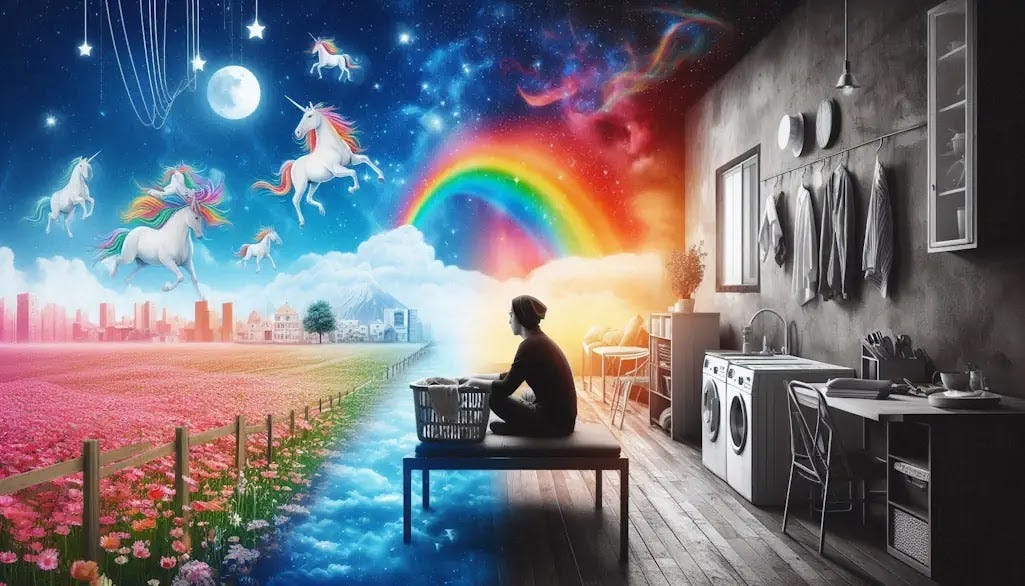
In this image, the left side represents perception, often influenced by personal biases and limited information, while the right side represents reality, which is objective and factual.
This introspective journey involves confronting our fears and embracing uncertainty—two experiences that directly influence our nervous system and stress response. When we challenge our assumptions, we activate brain regions involved in learning, emotional regulation, and cognitive flexibility. Over time, this strengthens mental resilience, reduces anxiety, and supports healthier aging.
Our understanding of reality evolves based on our experiences, insights, and personal growth, emphasizing how flexible our perception can be. The path of self-discovery is transformative, enabling us to overcome limitations and attain a more authentic understanding of ourselves, our health, and the world around us.
The Illusory Nature of Perception
Our perception of the world is not a direct reflection of reality, but a subjective interpretation filtered through our unique lenses of experience, beliefs, and expectations. This subjective nature becomes especially important when we consider its impact on mental health, stress levels, and cognitive well‑being. The same brain mechanisms that allow us to enjoy art, interpret illusions, or imagine possibilities can also distort our understanding of events, relationships, and even our own health.
Optical illusions offer a simple demonstration of this phenomenon. The well‑known Müller-Lyer illusion shows how the brain can misjudge length based on context. The Necker cube flips between two interpretations, revealing how perception is not fixed but constantly reconstructed. These illusions highlight the remarkable flexibility of the human brain—and remind us that our perceptions of pain, threat, safety, or uncertainty can also shift depending on internal and external influences.
In health, this matters. The brain uses the same predictive processes to interpret symptoms, evaluate danger, and regulate the stress response. When perception becomes distorted—through anxiety, chronic pain, trauma, or cognitive decline—it can shape how the body reacts, sometimes amplifying discomfort or triggering unnecessary stress responses. Understanding the illusory nature of perception helps us approach our experiences with more clarity and compassion.
The Role of Experience, Beliefs, and Expectations
Perception is not a passive reception of external stimuli; it is an active construction shaped by our experiences, beliefs, and expectations. These internal factors influence how we interpret events, how we respond emotionally, and even how our bodies react physiologically.
For example, someone raised in a war‑torn environment may develop a heightened perception of danger—a survival adaptation that can persist into adulthood. This heightened vigilance can increase stress hormones, elevate heart rate, and contribute to long‑term health challenges such as hypertension or chronic anxiety. Conversely, someone raised in a stable, supportive environment may perceive the world with greater optimism, which is associated with lower inflammation, better immune function, and improved resilience.
Expectations also shape health outcomes. If we anticipate pain, we often feel it more intensely. If we expect failure, we interpret neutral events as threats. This is the same cognitive mechanism behind the placebo and nocebo effects—powerful demonstrations of how beliefs can influence physical sensations, healing, and overall well‑being.
The Influence of Culture and Language
Culture and language profoundly shape how we perceive reality—and how we understand health. Different cultures categorize emotions, symptoms, and experiences in unique ways. Some languages have multiple words for specific emotional states, while others group them broadly, influencing how individuals interpret their internal experiences.
In healthcare, this matters. Cultural beliefs can shape how people describe pain, how they interpret symptoms, and when they seek help. Language influences whether someone views aging as decline or growth, whether illness is seen as a burden or a challenge, and whether mental health is openly discussed or quietly endured. Recognizing these cultural and linguistic influences helps create more compassionate, inclusive health communication.
The Power of Perspective
The ability to adopt different perspectives is essential not only for understanding reality but also for supporting emotional and physical health. When we shift perspective, we activate brain networks involved in empathy, cognitive flexibility, and emotional regulation. These skills reduce stress, improve relationships, and support healthier aging.
Perspective‑taking also helps us understand chronic illness. Two people with the same diagnosis may experience their condition very differently depending on mindset, support systems, and personal history. Recognizing the subjectivity of perception encourages compassion—for ourselves and for others navigating invisible challenges.
Perception: A Journey into the Depths of Human Consciousness
1. Throughout history, philosophers and scholars have explored the connection between reality and perception. Today, neuroscience adds another layer, showing how the brain constructs meaning, filters information, and shapes our emotional and physical responses.
2. By acknowledging that perception is subjective and influenced by countless factors—trauma, culture, beliefs, expectations, and health—we can adopt a more flexible and inclusive approach to reality. This mindset supports emotional resilience, reduces stress, and encourages healthier interpretations of daily experiences.
3. The interplay between reality and perception invites ongoing introspection. When we question our assumptions, we strengthen cognitive flexibility, reduce reactivity, and cultivate a deeper understanding of both the external world and our inner landscape. This process supports personal growth, mental clarity, and a more grounded approach to health and well‑being.
How Perception Affects Stress Hormones
When the brain interprets a situation as threatening—even if the threat is not real—it activates the stress response. This releases cortisol and adrenaline, increasing heart rate, blood pressure, and muscle tension. Over time, repeated misperceptions of danger can contribute to chronic stress, fatigue, and inflammation.
Why Expectations Influence Pain
The brain predicts what sensations should feel like. If a person expects pain, the brain amplifies pain signals. This is the same mechanism behind the nocebo effect. Positive expectations, support, and reassurance can reduce perceived pain and improve coping.
Culture, Language, and Symptom Interpretation
Different cultures describe and interpret symptoms in unique ways. Some emphasize physical sensations, while others focus on emotional or spiritual meaning. Language shapes how people understand illness, express discomfort, and decide when to seek care.
How Trauma Shapes Perception
Past trauma can heighten the brain’s threat-detection system. This may cause neutral events to feel dangerous, even when no threat exists. Understanding this helps reduce self-blame and supports healthier emotional processing.
Glossary of Key Health Terms
🧠 Perception — The brain’s interpretation of sensory information. Influenced by beliefs, emotions, and past experiences.
⚡ Stress Response — The body’s reaction to perceived threat, involving cortisol, adrenaline, and increased heart rate.
💬 Cognitive Bias — A mental shortcut or pattern that can distort judgment or perception.
🌐 Cultural Lens — The influence of culture on how people interpret symptoms, emotions, and experiences.
🩺 Nocebo Effect — When negative expectations worsen symptoms or increase perceived pain.
🔄 Cognitive Flexibility — The ability to shift perspectives or adapt thinking. Supports emotional resilience and healthy aging.
Sources & Further Reading
📘 How the Brain Constructs Perception
National Institutes of Health – Research on sensory processing and perception.🧠 Perception vs. Reality in Psychology
American Psychological Association – How beliefs and expectations shape perception.⚡ Stress Physiology & Cortisol Response
StatPearls – Overview of the stress response and hormone regulation.🌐 Culture, Language, and Health Perception
Peer‑reviewed research on how culture shapes symptom interpretation.🔍 Aging Health – Evidence‑Informed Guides
Your trusted resource for senior‑friendly health education.
FAQ
What is reality and how do we perceive it?
Reality is the state of things as they actually exist, while perception is how we interpret and understand those things. Our perception is shaped by senses, experiences, and biases, which can sometimes distort reality. Recognizing this distinction helps us develop a more accurate understanding of the world.
How can I distinguish between reality and illusion?
Question assumptions, seek multiple perspectives, and separate facts from opinions. Being aware of cognitive biases and consulting diverse sources of information helps reduce illusion and improve clarity.
Can our perception of reality change over time?
Yes. As we gain experience, learn new information, and reflect on past beliefs, our understanding of reality evolves. Growth and learning naturally reshape perception.
Why is it important to question our perception of reality?
Questioning perception encourages critical thinking, empathy, and adaptability. It helps us avoid rigid thinking and supports wiser personal and professional decisions.
What are the benefits of exploring the nature of reality?
Exploring reality improves self-awareness, critical thinking, creativity, and curiosity. It fosters personal growth and a deeper appreciation of human experience.