
Pneumonia: A Silent Threat, Especially for the Vulnerable

Protect Yourself and Your Loved Ones with Vaccination
I was twenty‑seven the first-time pneumonia knocked me flat. I woke up dizzy, burning with a 102° fever, and feeling absolutely miserable. The doctor called it “walking pneumonia,” but there was nothing “walking” about it—I could barely lift my head. A couple of days later, things took a turn I never expected: I broke out in sores. It wasn’t just pneumonia. I had chicken pox.
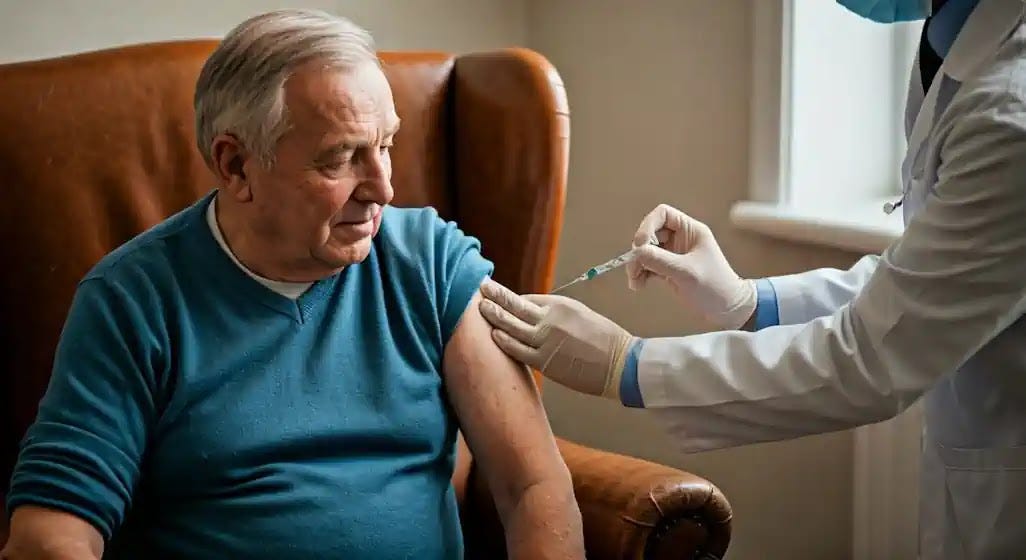
Vaccination is a vital tool in preventing pneumonia, especially for vulnerable populations like the elderly.
And if you’ve ever heard someone, say that getting a childhood disease as an adult is awful, let me tell you—that’s an understatement. Then came the kicker. A few days after the chicken pox showed up, I developed large, scaly sores. I turned out to be one of those rare medical oddities who manages to have chicken pox and shingles at the same time. Not an experience I’d recommend.
My second round with pneumonia came a little over three years ago, and that one brought an even nastier surprise: sepsis. Pneumonia is bad enough on its own, but it can open the door to some truly dangerous complications. Sepsis is no joke. It wrecked my internal thermostat, and ever since, I’ve been cold all the time.
Pneumonia isn’t just “a bad chest cold.” It’s an infection that can spiral quickly, especially in adults, and it deserves far more respect than it gets. My story is proof of that.
Understanding Pneumonia: A Global Health Challenge
Pneumonia is a serious lung infection that causes inflammation and fluid buildup in the air sacs of one or both lungs, making breathing difficult. It remains a major global health concern and is a leading cause of severe illness and death—particularly among older adults and young children. Globally, pneumonia is the single largest infectious cause of death in children under five, and older adults are at the highest risk of hospitalization and complications.
Understanding Pneumonia and Its Impact
Pneumonia occurs when bacteria, viruses, or fungi infect the lungs, leading to inflammation and impaired oxygen exchange. Symptoms can range from mild to life‑threatening and may develop suddenly or gradually depending on the cause and the person’s overall health. /www.who.int/news-room/fact-sheets/detail/pneumonia)[3](https://www.cdc.gov/pneumonia/risk-factors/index.html)
Persistent cough, often producing mucus or phlegm
Shortness of breath, even during rest
Chest pain that worsens with breathing or coughing
Fever and chills
Fatigue or weakness
Nausea or vomiting, particularly in children and older adults
Confusion or altered mental status, especially in seniors
Rapid heartbeat due to reduced oxygen levels
Loss of appetite and risk of dehydration
Who Is Most at Risk?
While pneumonia can affect anyone, certain groups face a significantly higher risk of severe disease and complications:
Older adults (65+), due to age‑related decline in immune and lung function [3](https://www.cdc.gov/pneumonia/risk-factors/index.html)
Children under five, whose immune systems are still developing [1](https://www.who.int/news-room/fact-sheets/detail/pneumonia)
People with chronic conditions, including heart disease, lung disease, diabetes, or weakened immune systems [3](https://www.cdc.gov/pneumonia/risk-factors/index.html)
Smokers, because smoking damages lung defenses and increases susceptibility to infection [3](https://www.cdc.gov/pneumonia/risk-factors/index.html)
The Role of Vaccination in Pneumonia Prevention
Vaccination is one of the most effective ways to reduce the risk of severe pneumonia, hospitalization, and death. Several vaccines target the most common pathogens that cause pneumonia or lead to serious complications.
Pneumococcal vaccines protect against Streptococcus pneumoniae, the leading cause of bacterial pneumonia. According to the CDC, pneumococcal vaccination is recommended for all children under five, all adults aged 50 years and older, and younger individuals with certain high‑risk conditions.
Influenza (flu) vaccination is also critical. Influenza can directly cause viral pneumonia or weaken the immune system, increasing the risk of secondary bacterial pneumonia. Annual flu vaccination has been shown to reduce severe respiratory complications, including pneumonia and ICU admission.
Why Vaccination Matters
Reduces severe illness: Pneumococcal vaccines are proven to reduce the risk of invasive pneumococcal disease and serious pneumonia, particularly in older adults.
Protects vulnerable populations: Vaccination significantly lowers the risk of hospitalization and death in high‑risk groups, including seniors and young children.
Prevents complications: Flu vaccination reduces the risk of pneumonia, respiratory failure, and ICU admission during influenza infections.
Supports community protection: Higher vaccination coverage reduces disease spread, helping protect people who cannot be vaccinated.
Additional Preventive Measures
Wash hands regularly to limit germ transmission
Avoid close contact with people who have respiratory infections
Quit smoking, which significantly increases pneumonia risk
Maintain a healthy lifestyle with balanced nutrition, exercise, and adequate sleep
Attend regular medical checkups to manage chronic conditions
Conclusion
Pneumonia remains a serious and potentially life‑threatening illness, especially for older adults, young children, and people with chronic health conditions. Vaccination—along with healthy habits and early medical care—is one of the most effective ways to reduce the risk of severe disease, complications, and death. Staying up to date on recommended vaccines is a critical step in protecting yourself, your loved ones, and your community.
If there’s one thing my experiences have taught me, it’s that pneumonia isn’t something to shrug off or “push through.” It can start quietly and turn serious faster than most people realize. If you’re feeling run‑down, running a fever, or struggling to breathe, don’t wait it out. Listen to your body. Get checked. Ask questions. Advocate for yourself.
And if you’ve had pneumonia before—or you’re caring for someone who has—stay alert to the warning signs and don’t hesitate to seek help early. The sooner pneumonia is caught, the easier it is to treat and the less likely it is to spiral into complications like sepsis.
Your health is worth protecting. Your life is worth slowing down for. Take symptoms seriously, trust your instincts, and give your body the care it deserves.
❓ FAQ: Zero‑Volume, Long‑Tail Pneumonia Questions
These are crafted to hit caregiver‑friendly, low‑competition search phrases while staying medically accurate.
1. What does “silent pneumonia symptoms in older adults” actually mean?
Silent pneumonia refers to cases where classic symptoms (fever, chest pain, productive cough) are absent. Older adults may instead show confusion, weakness, low appetite, or a sudden decline in daily functioning.
2. Can pneumonia cause long‑term temperature regulation problems?
Severe pneumonia—especially when complicated by sepsis—can disrupt the body’s temperature‑control mechanisms. Some people experience persistent cold intolerance or difficulty maintaining normal warmth after recovery.
3. Why do some people get pneumonia after the flu even if they felt like they were improving?
Influenza weakens the immune system and damages airway defenses, creating an opportunity for bacteria like Streptococcus pneumoniae to invade the lungs. This is why flu vaccination helps reduce pneumonia risk.
4. Is “walking pneumonia” really less serious, or can it still lead to complications?
Walking pneumonia (often caused by Mycoplasma pneumoniae) is usually milder, but it can still progress, especially in older adults or people with chronic conditions. Complications like worsening fatigue, dehydration, or secondary infections can occur.
5. How do vaccines work together to lower pneumonia risk in adults over 50?
Flu, pneumococcal, and RSV vaccines each target different respiratory threats. Together, they reduce the chances of viral infection, bacterial pneumonia, hospitalization, and severe complications. CDC now recommends pneumococcal vaccination starting at age 50.
🔵
Primary Clinical References — Pneumonia & Prevention
🏥 CDC — Pneumonia Overview
Centers for Disease Control and Prevention (CDC). Pneumonia. cdc.gov
💉 CDC — Pneumococcal Vaccine Recommendations
CDC. Pneumococcal Vaccination Guidance for Adults. cdc.gov
🛡️ CDC — Benefits of Flu Vaccination
CDC. Key Facts About Seasonal Flu Vaccine Benefits. cdc.gov
🌍 WHO — Pneumonia Fact Sheet
World Health Organization (WHO). Pneumonia Fact Sheet. who.int
🫁 American Lung Association — Pneumonia
American Lung Association. Pneumonia Overview. lung.org
✔ National health authorities ✔ Global public health agencies ✔ Evidence‑based prevention guidance