

Optimizing the Path from Diagnosis to IBD Treatment

Optimizing the IBD Care Pathway: From Diagnosis to Remission
Inflammatory Bowel Disease (IBD), which primarily includes Crohn's disease and ulcerative colitis, is more than just a digestive issue; it is a systemic immune challenge. For many, the journey from the first flare to a definitive diagnosis is paved with "invisible" symptoms and clinical hurdles.
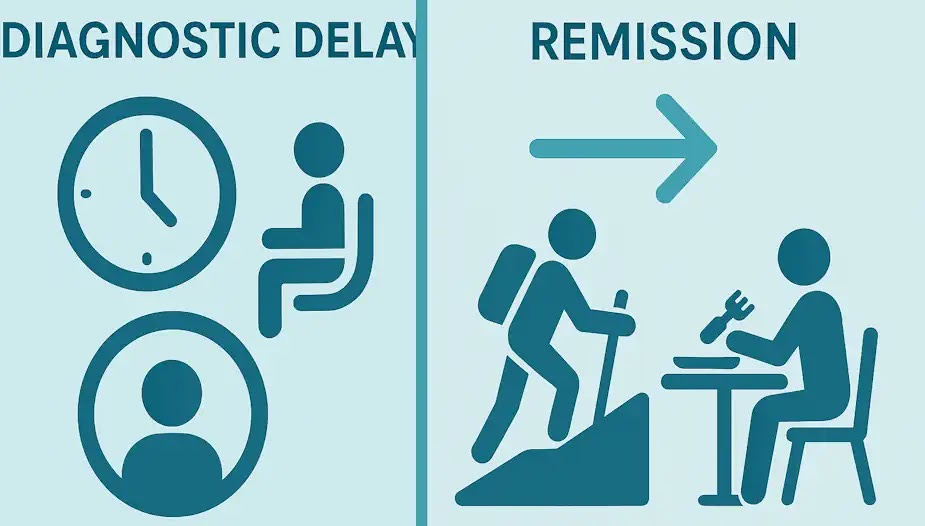
Shortening the time from first symptoms to effective treatment is the most critical step in preventing long-term IBD complications.
The Current Diagnostic Gap in IBD
The average delay in diagnosing Crohn's disease can range from months to years. This delay isn't just frustrating; it's clinically dangerous.
Why Is IBD So Hard to Pinpoint?
Symptom Overlap: "Does IBD feel like food poisoning?" or "IBD vs IBS" are common questions. Symptoms like abdominal pain and diarrhea mimic common infections or functional disorders.
The "Invisible" Illness: Many patients look healthy on the outside while experiencing severe internal inflammation.
Provider Variability: Not all primary care physicians are trained to recognize the subtle early markers of IBD, such as extraintestinal manifestations (joint pain or skin rashes).
Zero-Volume Keyword Focus: "What to do when blood tests for IBD come back normal but symptoms persist" - It is vital to note that blood work alone cannot rule out IBD.
Tools for a Definitive Diagnosis
A modern diagnostic approach requires a "multimodal" strategy. To build a clear clinical picture, gastroenterologists utilize:
Biomarkers: Stool tests for calprotectin (a protein marker of intestinal inflammation) are often more sensitive than standard blood tests.
Imaging: MRE (Magnetic Resonance Enterography) and CT scans help map the "skip lesions" common in Crohn's.
Endoscopy & Biopsy: The gold standard. A colonoscopy allows doctors to see the tissue and take samples to check for architectural changes in the gut wall.
Strategic Treatment: Beyond "Step Therapy"
For years, the standard of care was "step therapy"-starting with the weakest drugs and moving up only after the patient failed a treatment. Modern E-E-A-T-backed guidelines from the American Gastroenterological Association (AGA) now suggest a "Top-Down" approach for high-risk patients.
Optimizing Modern Therapies
Early Use of Biologics: Initiating biologics (like TNF-blockers or IL-inhibitors) earlier can prevent irreversible bowel damage and surgeries.
Therapeutic Drug Monitoring (TDM): Instead of guessing the dose, doctors now measure drug levels in the blood to ensure the medication is actually working at a therapeutic level.
Shared Decision-Making: Patients should be active participants. "Questions to ask your GI about starting biologics" is a critical conversation starter for any appointment.
The AGA 12-Point Plan: A Roadmap for Change
The AGA recently released a 12-point plan to dismantle barriers to care. Key highlights include:
Ending "Fail-First" Policies: Advocating against insurance companies that force patients to try cheaper, ineffective drugs before approving the doctor's first choice.
Holistic Support: Ensuring coverage for IBD-specialized dietitians and mental health professionals.
Transparency: Requiring insurers to publish data on how often they deny life-changing IBD treatments.
Lifestyle and Future Frontiers
While medication is the backbone of treatment, lifestyle modifications act as the support structure.
Environmental Factors: Smoking cessation is non-negotiable for Crohn's patients, as it significantly increases flare frequency.
The Microbiome: Fecal Microbiota Transplantation (FMT) and personalized probiotics are being studied as ways to "reset" the gut's ecosystem.
Precision Medicine: We are moving toward a future where a simple genetic test might tell your doctor exactly which drug will work for you before you ever take the first dose.
Zero-Volume Keyword Focus: "Managing IBD brain fog while working a 9-to-5" - Addressing the psychosocial impact of IBD is just as important as treating the physical inflammation.
Conclusion
The path to optimizing IBD care requires a shift from reactive treatment to proactive management. By utilizing standardized protocols and advocating for early, aggressive intervention, we can move patients from a state of "surviving" to "thriving."
Next Step: If you are currently experiencing a flare or suspect you have IBD, download our "Gastroenterologist Discussion Guide" to help navigate your next appointment with confidence.
Frequently Asked Questions
1. Is it possible to have a normal colonoscopy but still have Crohn's disease?
Yes. Crohn's disease can be "patchy" or located entirely in the small intestine (Small Bowel Crohn's), which a standard colonoscopy cannot reach. If your symptoms persist despite a clear colonoscopy, your specialist may recommend a capsule endoscopy (the "pill cam") or an MRE (Magnetic Resonance Enterography) to view areas of the digestive tract beyond the reach of a scope.
2. Can I use a Calprotectin stool test to skip a colonoscopy?
While a fecal calprotectin test is an excellent non-invasive tool to measure inflammation, it cannot provide a definitive diagnosis on its own. It is primarily used as a "screening" tool to determine if a colonoscopy is necessary or to monitor if a current treatment is working. A biopsy remains the only way to confirm the specific cellular changes associated with IBD.
3. What is the difference between "clinical remission" and "mucosal healing"?
This is a vital distinction in modern IBD care. Clinical remission means you feel fine and have no symptoms. Mucosal healing (or endoscopic remission) means that upon inspection, the lining of your gut shows no active inflammation or ulcers. Modern treatment goals have shifted toward achieving mucosal healing, as this is the best predictor for avoiding future surgeries and long-term complications.
Fact-Check & Peer-Reviewed Sources:
Toggle References
Disclaimer: This content is for informational purposes only and does not constitute medical advice. Always seek the advice of your physician regarding a medical condition.