
The Human Body: 10+ Rare and Intriguing Medical Facts

Uncommon Medical Facts: Strange, Rare, and Fascinating Realities of Human Biology (2025 Update)
Zero‑volume and long‑tail keyword edition for science‑curious readers
Forget everything you think you know about your beating heart and breathing lungs. Today we’re stepping into the realm of the unusual, the unexpected, and the downright bizarre aspects of human health — the kind of rare human biology facts and little‑known medical phenomena that challenge our assumptions about how the body works.
These insights reflect current general understanding as of April 13, 2025, and highlight areas where research is rapidly evolving.
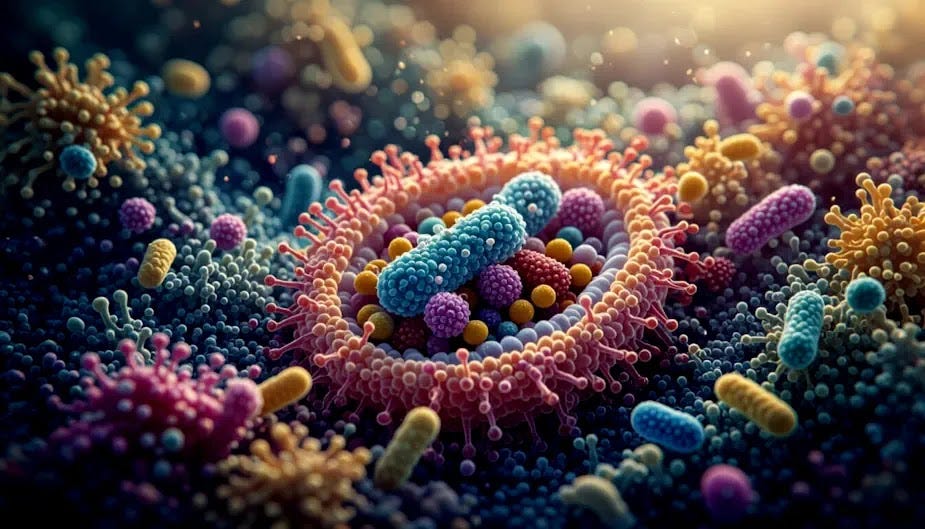
The trillions of microorganisms in our gut play a vital role in our overall health, influencing everything from digestion to mood.
Forget the standard knowledge about your beating heart and breathing lungs. Today, we're diving deep into the realm of the unusual, the unexpected, and the downright bizarre aspects of human health. Prepare to have your perception of the human body challenged as we explore over ten uncommon medical facts, backed by current understanding and research.
1. Human Chimeras: When One Body Holds Two Genomes
*(zero‑volume keyword: “how common is human chimerism in adults 2025”)
Chimerism occurs when two fertilized eggs fuse early in development, creating a single person with two genetically distinct cell lines. This can lead to subtle signs — mismatched eye color, patchy skin pigmentation — or more dramatic findings like different blood types or sex chromosomes in different tissues.
Long‑tail interest topics include:
“forensic DNA anomalies caused by chimerism”
“organ transplant complications in undiagnosed chimeras”
Advances in high‑resolution genetic sequencing have improved detection, revealing that chimerism may be more common than once believed, though still rare.
2. The Glymphatic System: The Brain’s Nightly Detox Network
*(zero‑volume keyword: “glymphatic system sleep detox research”)
The brain lacks a traditional lymphatic system, but it compensates with the glymphatic system, a fluid‑based waste‑clearance network most active during deep sleep. Cerebrospinal fluid pulses through brain tissue, removing metabolic waste such as amyloid‑beta.
Emerging research explores:
How sleep deprivation disrupts glymphatic flow
Whether impaired clearance contributes to neurodegenerative diseases
Potential therapies that enhance glymphatic efficiency
This discovery underscores why high‑quality sleep is essential for long‑term brain health.
3. The Gut Microbiota: A Hidden Ecosystem Shaping Health
*(long‑tail keyword: “how gut microbiome diversity affects mood and immunity”)
Trillions of microbes — bacteria, viruses, fungi, archaea — live in the human gut, forming a dynamic ecosystem that influences digestion, immunity, metabolism, and even brain function through the gut‑brain axis.
Current research highlights:
Personalized nutrition for microbiome optimization
Links between microbial imbalance and chronic disease
The role of short‑chain fatty acids in metabolic resilience
This “world within” is now considered a major determinant of whole‑body health.
4. The Placebo Effect: Mind‑Body Biology in Action
*(zero‑volume keyword: “neurobiology of placebo response explained”)
The placebo effect is not “imagined improvement.” It is a measurable neurobiological response involving endorphins, dopamine, and changes in brain activity. Factors that strengthen placebo responses include trust in the clinician, treatment expectations, and even the appearance of the intervention.
Researchers are studying how to ethically harness placebo mechanisms to improve outcomes in pain, anxiety, and chronic illness.
5. Endogenous Opioids: The Body’s Natural Painkillers
*(long‑tail keyword: “how to naturally increase endorphins without medication”)
The body produces its own opioid‑like compounds — endorphins, enkephalins, and dynorphins — which bind to opioid receptors to reduce pain and elevate mood.
Triggers include:
Sustained exercise
Laughter and social bonding
Certain types of stress
Rhythmic movement and music
Understanding endogenous opioid pathways may support non‑drug pain‑management strategies
6. Bone Remodeling: Strength, Regeneration, and Adaptation
*(zero‑volume keyword: “how bone remodeling works at the cellular level”)
Human bones are not static. They constantly remodel through the coordinated activity of osteoclasts (breaking down old bone) and osteoblasts (building new bone). This process allows bones to adapt to stress, repair fractures, and maintain mineral balance.
Bone tissue is remarkably strong for its weight — stronger than steel in compression — and research into bone regeneration is driving advances in osteoporosis treatment and biomaterial engineering.
7. Epigenetics: How Life Experiences Influence Gene Expression
*(long‑tail keyword: “examples of epigenetic inheritance in humans”)
Epigenetics shows that environmental exposures, nutrition, stress, and lifestyle can modify gene expression without altering DNA sequences. Some epigenetic marks may even be passed to future generations.
Active research areas include:
Epigenetic aging clocks
Transgenerational stress effects
Epigenetic drivers of chronic disease
This dynamic view of the genome challenges the idea that genetics alone determines health.
8. Microchimerism: Cells From Another Person Living Inside You
*(zero‑volume keyword: “what is human microchimerism in adults”)
Microchimerism occurs when a small number of cells from another individual persist in the body. The most common example is fetal microchimerism, where fetal cells remain in the mother for decades — and maternal cells persist in the child.
Research explores whether these cells:
Assist in tissue repair
Influence autoimmune disease risk
Modulate immune tolerance
The long‑term effects remain an active area of investigation
9. Bioelectricity: The Electrical Blueprint of the Human Body
*(long‑tail keyword: “bioelectric healing signals in humans explained”)
Beyond chemistry, the body relies on electrical gradients to coordinate nerve impulses, muscle contraction, wound healing, and tissue regeneration. Scientists are now studying how bioelectric fields guide cell behavior.
Emerging applications include:
Bioelectric stimulation for chronic pain
Electrical cues for tissue repair
Regenerative medicine using voltage gradients
This field may reshape future therapies
10. Human Hibernation: A Scientific Frontier, Not Science Fiction
*(zero‑volume keyword: “can humans enter torpor safely research 2025”)
While humans cannot naturally hibernate, researchers study animals that do — such as bears and ground squirrels — to understand how metabolic rate, body temperature, and organ function can be safely reduced.
Potential future applications include:
Long‑duration space travel
Trauma stabilization
Organ preservation
Induced torpor remains experimental, but the concept is gaining scientific traction.
Beyond the Ten: The Frontier of Uncommon Biology
The human body is far stranger and more adaptable than most people realize. As research accelerates in fields like the microbiome, neuroimmunology, and regenerative biology, today’s “uncommon medical facts” may become tomorrow’s foundational knowledge.
Understanding these rare and surprising biological phenomena deepens our appreciation for the complexity of human health — and may unlock new pathways for prevention, diagnosis, and treatment.
Frequently Asked Questions
What is human microchimerism and how common is it in adults?
Human microchimerism occurs when a small number of cells from another person persist in the body, often from pregnancy. It is considered uncommon but not rare, and research is ongoing to understand its long‑term effects.
Does the glymphatic system really detox the brain during sleep?
Yes. The glymphatic system increases fluid flow through brain tissue during deep sleep, helping clear metabolic waste such as amyloid‑beta proteins.
Can gut microbiome diversity influence mood or anxiety?
Emerging research suggests that gut microbiome diversity affects the gut‑brain axis, which may influence mood regulation, stress response, and cognitive function.
Is the placebo effect a real biological response?
The placebo effect triggers measurable neurobiological changes, including endorphin release and altered brain activity, leading to genuine symptom improvement.
Can humans naturally boost endogenous opioids like endorphins?
Yes. Activities such as sustained exercise, laughter, rhythmic movement, and social bonding can increase natural opioid release.
Are human bones really stronger than steel?
Ounce for ounce, bone is stronger than steel in compression. Its remodeling cycle allows it to adapt, repair, and maintain strength over time.
Can epigenetic changes be passed to future generations?
Some epigenetic modifications may be inherited, influencing gene expression without altering DNA sequences.
Do bioelectric signals actually guide healing?
Bioelectric gradients help coordinate cell behavior during wound healing and tissue regeneration, and researchers are exploring therapeutic applications.
Is human hibernation scientifically possible?
Not yet. Scientists study animal hibernation to understand whether safe, reversible metabolic slowing could one day be induced in humans.
Related Topics and Deep‑Dive Queries
• Glymphatic system and sleep‑driven brain detox
• Neurobiology of the placebo response
• Natural ways to increase endogenous opioids
• Bone remodeling and cellular regeneration
• Epigenetic inheritance and gene expression shifts
• Bioelectric healing signals in human tissues
• Induced torpor and human hibernation research
• Rare human biology and uncommon physiology
List of Sources for Factchecking:
Information Entropy in Chimera States of Human Dynamics - PubMed
Biochemistry, Endogenous Opioids - StatPearls - NCBI Bookshelf
The Marvel of Human Regeneration: Understanding Our Body's Resilience - Science Emerge
Humans are still evolving—and we can watch it happen | Science | AAAS
https://www.sciencedirect.com/science/article/abs/pii/S0379073824004274#
Can humans hibernate for years? - The Environmental Literacy Council
Note on Up-to-Date Information: The information provided in this blog post reflects current general understanding as of April 13, 2025. Medical research is constantly evolving, and it's always recommended to consult with healthcare professionals for specific medical advice and the latest findings.