

How to: Food Safety, Storage and Waste Prevention

Eat Smart, Save Money, Save the Planet: Food Safety, Storage & Waste Prevention Tips
Food is a cornerstone of health and well-being, but navigating the world of food safety, storage, and waste reduction can feel overwhelming. The good news is, making smart choices in your kitchen doesn't just benefit your health; it's also kind to your wallet and the planet!
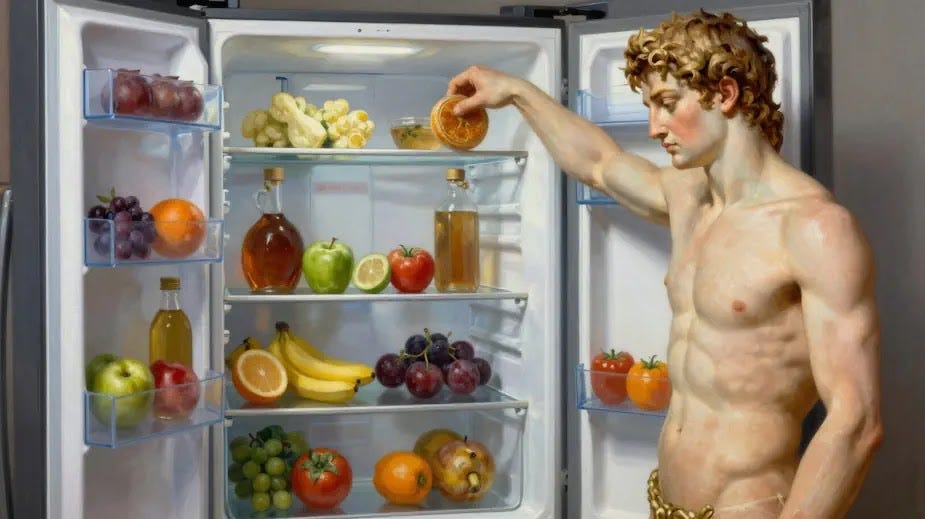
Food safety and proper storage are crucial for public health, preventing foodborne illnesses, and reducing waste. Maintaining correct temperatures inhibits harmful bacteria growth and protects food quality.
This article equips you with essential tips for storing food safely, minimizing waste, and enjoying fresh, delicious meals. Learn how to prevent foodborne illness, extend the shelf life of your groceries, and adopt sustainable practices in your kitchen. Get ready to transform your approach to food – it's a win-win for you, your family, and the environment!
The Importance of Food Safety
Implementing straightforward tips can safeguard your food from harmful bacteria, minimize food waste, and conserve funds. The essence of food safety lies in the proper handling, preparation, and storage of food to avert foodborne illnesses. Symptoms of food poisoning range from nausea and vomiting to diarrhea and abdominal cramps.
Particularly for at-risk groups like infants, the elderly, and those with compromised immune systems, food poisoning poses a severe health risk that can be fatal. Hence, it's crucial to adhere to food safety guidelines to protect not only oneself but also the broader community.
To prevent food poisoning and other food-borne illnesses, follow these simple food safety tips:
Wash hands with soap and water for at least 20 seconds before and after food preparation, especially after handling raw meat, poultry, seafood, and eggs, to reduce bacteria transmission.
Clean and disinfect kitchen surfaces and utensils before and after use to maintain a hygienic cooking environment and prevent foodborne illnesses.
Cook food to the appropriate internal temperature using a food thermometer to eliminate harmful bacteria and enhance flavor.
Cool and store food in the refrigerator immediately after cooking or purchasing to ensure safety and prevent spoilage.
Avoid consuming refrigerated food older than four days or frozen food stored for more than three months to mitigate health risks.
Safe food storage is crucial for preserving the quality and preventing food-borne illness. By storing food correctly, you can extend its shelf life and reduce food waste.
Follow these food storage tips to preserve food quality, safety, and freshness:
Store food at different temperatures depending on the type. The most important thing to remember is to keep food out of the "danger zone" between 40- and 140 degrees Fahrenheit. In this temperature range, bacteria will grow fast and lead to food poisoning.
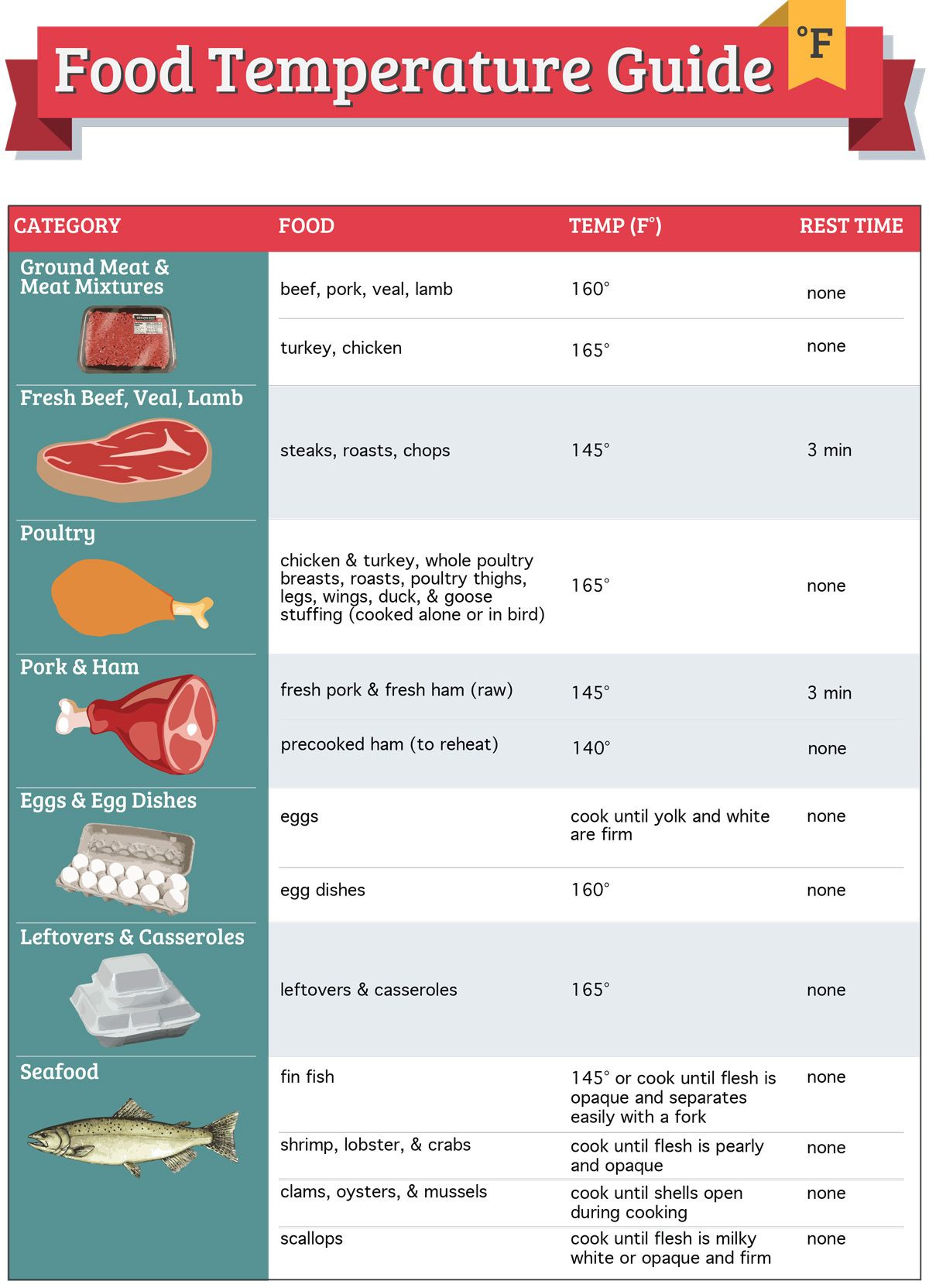
Cooking food to the right temperature is crucial for safety and quality, as it kills harmful bacteria and improves flavor and texture. Each food has specific temperature requirements, and using a food thermometer helps meet these standards.
Here are some general guidelines for storing food at the proper temperature:
Set the refrigerator temperature to 40 degrees Fahrenheit or below. This temperature will slow the growth of bacteria and help to keep food safe for longer.
Set the freezer temperature to 0 degrees Fahrenheit or below. This temperature will stop bacteria growth and help to keep food safe for months or even years.
Here are some specific guidelines for storing different types of food:
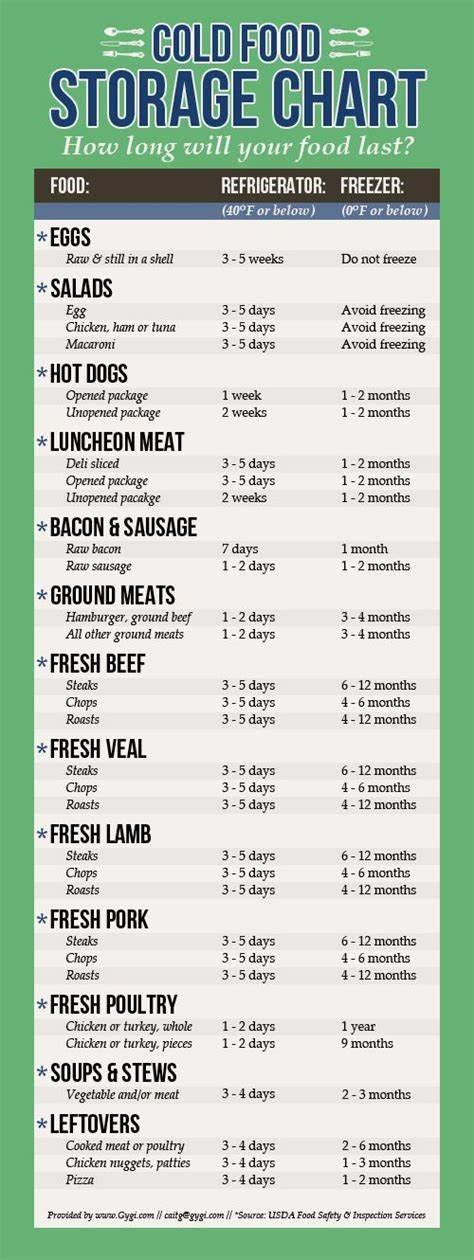
We may store meat, poultry, and fish in the refrigerator for up to four days or in the freezer for up to 12 months.
We store eggs in the refrigerator for up to four weeks.
We may store milk, cheese, and yogurt in the refrigerator for up to one week.
We may store fresh fruits and vegetables in the refrigerator for up to one week.
We may store pasta, rice, cereal, and other dry goods at room temperature but are better in a cool, dry place.
The actual shelf life of food will vary depending on the type of food, the processing, and how we store it. It is always best to check the food label for specific storage instructions.
To store spices for freshness loss prevention, follow these tips:
Keep spices in a cool, dark location, away from heat sources and direct sunlight to prevent flavor loss.
Use airtight containers to protect spices from moisture, pests, and deterioration.
Store whole spices intact, as they maintain flavor and aroma longer than ground varieties.
Grind spices only as needed to preserve their freshness and potency.
Regularly check spices for freshness and discard any that have lost their flavor.
Buy spices in small quantities.
Purchase spices in small amounts to ensure freshness and flavor retention.
Store spices in glass or ceramic containers to prevent flavor absorption.
Label containers with purchase dates to track freshness and usage.
Prioritize using older spices by rotating your stock regularly.
In humid climates, keep spices in the refrigerator to avoid moisture damage.
Whole spices can remain fresh for up to two years, while ground spices last about one year.
Always taste spices before use to check for flavor potency.
Avoid buying large quantities to minimize waste and ensure quality.
Keep spices away from direct sunlight and heat sources for optimal storage.
Regularly assess your spice collection to maintain a flavorful inventory.
General tips for storing food safely:
Use a food thermometer to ensure that cooked food reaches a safe internal temperature for consumption.
Refrigerate food within two hours of cooking or purchasing to prevent harmful bacteria growth.
Prompt refrigeration is vital for reducing the risk of foodborne illnesses.
Avoid overcrowding the refrigerator or freezer to maintain optimal air circulation and temperature.
Organize food thoughtfully to enhance appliance efficiency and extend freshness.
Store cooked food above raw food in the refrigerator to prevent cross-contamination
Store cooked food above raw food in the refrigerator to avoid cross-contamination.
Label and date all pantry and refrigerator items for better organization and to monitor freshness, reducing waste and preventing expired food consumption.
Implement the FIFO (First In, First Out) method by rearranging food items regularly, ensuring older products are used before newer ones to maintain quality and minimize waste.
Keep canned goods in a cool, dark pantry to protect them from heat and light, which can affect their quality and longevity.
Ensure a well-ventilated, consistently cool storage space for canned items to extend their usability beyond expiration dates.
There are several things you can do to prevent food waste:
Plan meals ahead of time to enhance your cooking experience and minimize food waste.
Choose only essential ingredients to make grocery shopping more efficient and cost-effective.
Utilize leftover food creatively to prepare satisfying meals for the next day, reducing waste and saving time.
Donate excess food to local food banks or soup kitchens to support those in need and decrease waste.
Adopt these practices to promote healthier eating habits and a more sustainable lifestyle.
Follow these simple tips to keep your food safe, reduce waste, and save money.
Use a food thermometer to ensure meat, poultry, and fish reach a safe internal temperature. This practice guarantees food safety, achieves the desired doneness, and enhances flavor, preventing foodborne illnesses for a safe and enjoyable dining experience.
Organize your food items to use older products before newer ones. This reduces waste and ensures you consume items with shorter shelf lives, promoting freshness and maintaining food quality.
Consider composting food scraps instead of discarding them. This reduces waste, minimizes landfill organic material, and creates nutrient-rich soil that enhances garden health and promotes plant growth. By composting, you contribute to environmental conservation and benefit your gardening efforts.
Professional Sources
How Can You Find Out About Recent Food Recalls?
It is important to stay informed about recent food recalls due to contamination, as there has been a significant increase in such incidents recently.
You can find information about food recalls from several reliable sources:U.S. Department of Agriculture's Food Safety and Inspection Service (FSIS): They provide updates on recalls and public health alerts for meat, poultry, and processed egg products. You can check their latest recalls.
U.S. Food and Drug Administration (FDA): The FDA lists recalls, market withdrawals, and safety alerts for all other food products. You can find their updates.
FoodSafety.gov: This site aggregates recall information from both the FSIS and FDA, making it a convenient place to check for any food safety alerts. Visit their recalls and outbreaks.
Internet Archive Book Images, No restrictions, via Wikimedia Commons
Professional Sources
_(14763198021).jpg)