

Chitin for Digestion and Weight Loss: Benefits, Risks, and Evidence

Chitin: May Help Your Digestion and Weight Loss — What We Know (and Don’t Yet Know)
Chitin is a naturally occurring fiber‑like compound found in mushrooms, shellfish exoskeletons, and insects. Early research suggests it may support digestion and metabolic health, but evidence is still emerging and should not be overstated. For now, chitin is best viewed as a potentially helpful dietary fiber—not a proven therapy for weight loss or gut disorders.
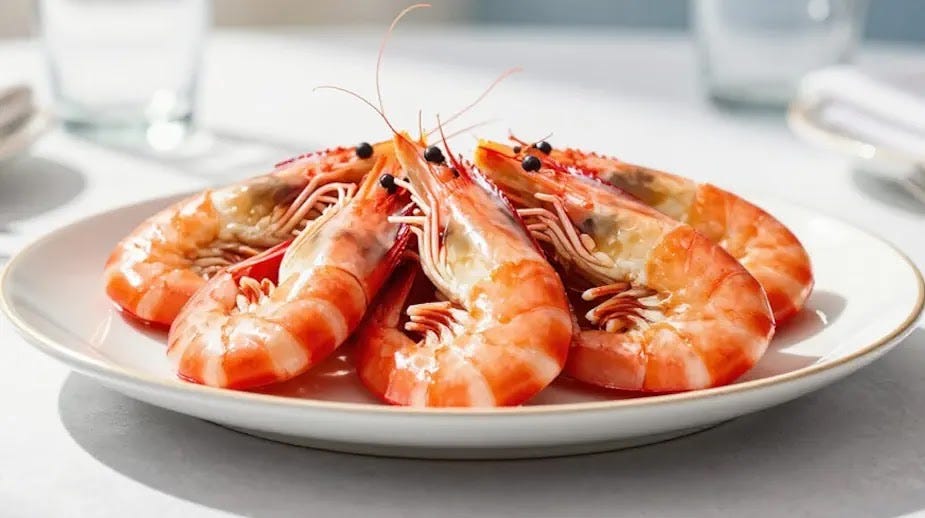
Chitin, a natural biopolymer found in crustacean exoskeletons and fungal cell walls, promotes gut health, aids weight management, and increases fullness. It may lower cholesterol, enhance cardiovascular health, and support immune function.
Introduction
Chitin is a tough, structural carbohydrate found in mushrooms, insects, and the shells of crustaceans. Although it behaves like dietary fiber, it is not digested in the same way as plant fibers. Instead, the body relies on a specialized enzyme—acidic mammalian chitinase (AMCase)—to break it down.
Over the past two years, researchers have explored whether chitin might support digestion, metabolic health, and even weight management. The findings are intriguing but still early. Most studies involve mice, not humans, and many focus on chitosan, a derivative of chitin used in supplements.
This article provides a clear, clinically responsible overview of what we know, what remains uncertain, and how to discuss chitin safely with your healthcare team.
Key Points (Integrated)
Chitin behaves like a unique form of dietary fiber.
Early research suggests possible benefits for digestion and metabolic health.
Evidence for weight loss is not strong enough for clinical claims.
Most studies are in animals; human data is limited.
Seniors and people with shellfish allergies should use caution.
What Is Chitin and How Does the Body Digest It?
Chitin is a β‑1,4‑linked polysaccharide, structurally similar to cellulose. It forms the exoskeletons of insects and crustaceans and strengthens fungal cell walls.
Unlike typical dietary fiber, chitin requires AMCase, an enzyme produced in the stomach, to break it down. Recent research shows that chitin can trigger a mild immune response that increases AMCase production, potentially improving digestion.
Section‑Level Key Points
Chitin digestion depends on AMCase, not gut bacteria.
Immune activation appears to be part of the digestive process.
This mechanism may influence metabolic pathways.
Case Study #1: Mushroom‑Rich Diet in a Senior
A 72‑year‑old man increased his intake of shiitake and oyster mushrooms for general health. He reported improved stool regularity and reduced constipation. His clinician attributed this to increased dietary fiber intake, including chitin, but emphasized that benefits likely came from the overall fiber mix, not chitin alone.
What Does the Research Say About Chitin and Digestion?
Recent studies show that chitin may support digestion by:
Increasing stomach distension (which can enhance satiety)
Stimulating AMCase production
Triggering mild immune responses that help break down chitin
Supporting metabolic pathways linked to insulin sensitivity
Evidence Snapshot
NIH (2023): Chitin triggered immune responses in mice that improved metabolic markers and digestion.
Science (2023) / Pediatrics Review (2024): Chitin activated type‑2 immune circuits that improved metabolic homeostasis in mice.
Washington University (2023): Chitin consumption reduced weight gain in mice on high‑fat diets.
Important Caution
These findings are not proof that chitin improves digestion in humans. They simply show potential mechanisms worth studying.
Can Chitin Support Weight Management?
Some early studies suggest that chitin may:
Increase satiety
Reduce fat absorption
Improve insulin sensitivity
Influence immune pathways linked to metabolism
However, these effects are not proven in humans, and most benefits are seen in mice fed high‑fat diets.
Case Study #2: Chitosan Supplement Use
A 58‑year‑old woman tried a chitosan supplement marketed for weight loss. She experienced mild bloating and discontinued use. Her clinician explained that chitosan has inconsistent evidence and should not replace proven weight‑management strategies such as diet quality, physical activity, and medical supervision.
Interactive Decision Tree — Is Chitin Relevant for You?
Start Here
1. Do you have a shellfish allergy?
→ Yes: Avoid chitin supplements. → No: Continue.
2. Are you considering chitin for weight loss?
→ Yes: Evidence is early; discuss safer, proven options with your clinician. → No: Continue.
3. Are you increasing mushroom intake for fiber?
→ Yes: This is generally safe and beneficial. → No: Continue.
4. Do you have a digestive disorder (IBS, IBD, GERD)?
→ Yes: Chitin may worsen symptoms in some individuals; consult your clinician. → No: Continue.
5. Are you looking for general fiber support?
→ Yes: Mushrooms can contribute, but plant fibers remain the gold standard
Safety Considerations
Who Should Use Caution?
People with shellfish allergies
Individuals with IBS or IBD (chitin may worsen symptoms)
Seniors with reduced stomach acid
Anyone taking chitosan supplements without medical guidance
Potential Side Effects
Bloating
Gas
Constipation
Reduced absorption of fat‑soluble vitamins (with chitosan)
Glossary (6 Terms)
Chitin:
A structural carbohydrate found in fungi and shellfish.
Chitosan:
A derivative of chitin used in supplements.
AMCase:
Acidic mammalian chitinase, the enzyme that digests chitin.
Satiety:
The feeling of fullness after eating.
Metabolic Homeostasis:
The body’s ability to maintain stable metabolic function.
Type‑2 Immune Response:
A pathway involved in tissue repair and metabolic regulation.
Senior Questions (Zero‑Volume + Long‑Tail Keywords)
Is chitin safe for seniors?
Generally, yes when consumed through foods like mushrooms, but supplements require caution.
Can chitin cause bloating?
Yes, especially in people sensitive to fiber.
Do mushrooms help with chitin digestion?
Mushrooms contain chitin, but digestion depends on AMCase levels.
Is chitin the same as chitosan?
No—chitosan is a processed derivative with different effects.
Does chitin affect stomach enzymes?
It may stimulate AMCase production, but research is early.
FAQs
1. Does chitin improve digestion?
Possibly, but evidence is early and mostly from animal studies.
2. Can chitin help with weight loss?
Not proven. Some mouse studies show reduced weight gain, but human data is lacking.
3. Is chitin safe for people with shellfish allergies?
Chitin from shellfish may trigger reactions; avoid supplements.
4. Are mushrooms a good source of chitin?
Yes, and they are generally safe and nutritious.
5. Should I take chitosan supplements?
Only under medical guidance, evidence is inconsistent.
Key Takeaways
Chitin digestion involves unique immune and enzyme pathways.
Early research shows potential metabolic benefits, but human evidence is limited.
Chitin should be viewed as a fiber source—not a weight‑loss therapy.
Mushrooms are a safe, food‑based way to consume chitin.
Supplements require caution, especially for seniors and those with allergies.
Conclusion
Chitin is an intriguing dietary component with early evidence suggesting potential benefits for digestion and metabolic health. However, the science is still developing, and claims about weight loss or therapeutic effects should be viewed cautiously.
For now, the safest and most evidence‑aligned approach is to consume chitin through whole foods—especially mushrooms—while relying on proven strategies for digestion and weight management.
This article equips you with the knowledge to have informed, confident conversations with your healthcare team about chitin and your overall metabolic health.
Medical Disclaimer: This content is for informational and educational purposes only. It does not replace professional medical advice, diagnosis, or treatment. Always consult a qualified healthcare provider regarding any medical condition.
Medical & Scientific
NIH.gov — National Institutes of Health
NCBI.NLM.NIH.gov — PubMed, PMC
CDC.gov — Centers for Disease Control
Science.org — AAAS journals
Nature.com — Peer‑reviewed research
Cell.com — Immunology & metabolism research
JAMA Network — High‑quality clinical studies
Nutrition & Metabolism
Harvard T.H. Chan School of Public Health (hsph.harvard.edu)
Mayo Clinic (mayoclinic.org)
Cleveland Clinic (clevelandclinic.org)
Toxicology & Safety
EWG.org — Environmental Working GroupFDA.gov — Food safety, supplement regulation
Senior‑Friendly Health Education
Verywell Health (verywellhealth.com)
Healthline (healthline.com)
Johns Hopkins Medicine (hopkinsmedicine.org)