

The Science Behind Gut Microbiome and Weight Loss

Investigating the Link Between Gut Microbiome and Weight Management
The relationship between the gut microbiome and weight loss is a captivating field of study. Comprised of trillions of microorganisms such as bacteria, fungi, and viruses, this internal ecosystem acts as a "second brain" for your metabolism. Understanding how to improve gut health for weight loss is no longer just a trend—it is a metabolic necessity.
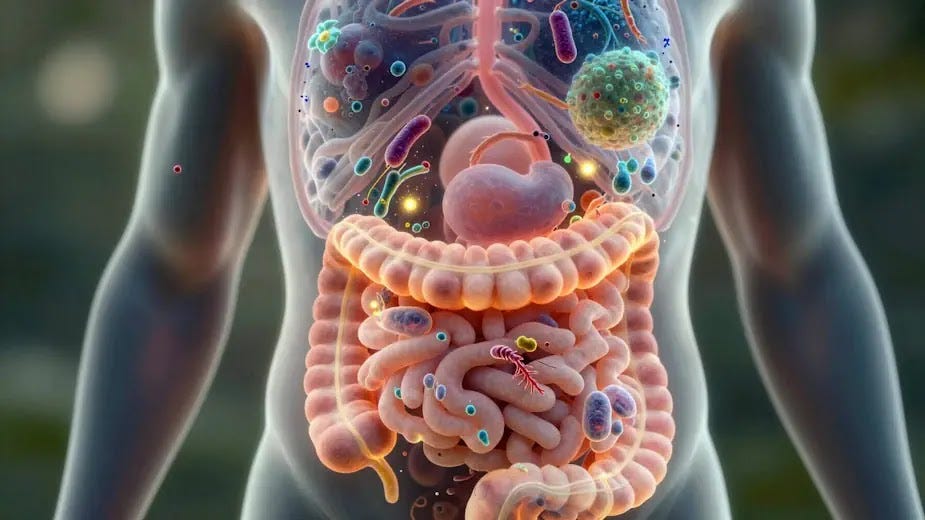
Your internal ecosystem: A balanced gut microbiome is the foundation of sustainable weight management.
Metabolic Efficiency: How Bacteria Control Calorie Extraction
One way the gut microbiome influences BMI is through energy harvesting. Research suggests that certain bacterial strains are "more efficient" at extracting calories from complex carbohydrates. This explains why two people can eat the same meal, but one absorbs more calories than the other. Key factors include:
Bacteroidetes vs. Firmicutes Ratio: A higher ratio of Firmicutes is often linked to increased fat storage.
Short-Chain Fatty Acids (SCFAs): Beneficial bacteria produce butyrate, which helps regulate fat burning.
The Silent Obstacles: Inflammation and Insulin Resistance
If you're struggling with stubborn belly fat and gut health, inflammation may be the culprit. A disrupted microbiome (dysbiosis) can weaken the intestinal barrier, leading to "leaky gut." This allows lipopolysaccharides (LPS) to enter the bloodstream, triggering chronic low-grade inflammation. This systemic inflammation is a direct driver of insulin resistance, making it nearly impossible for the body to access stored fat for fuel.
Understanding the Gut Microbiome Ecosystem
Maintaining a diverse gut flora for obesity prevention is like tending a garden. A healthy ecosystem needs variety to thrive. Beyond digestion, these microbes produce essential vitamins (B12 and K) and regulate the "hunger hormone" ghrelin, which tells your brain when to stop eating.
Strategies to Reset Your Gut for Weight Loss
Can you change your gut bacteria to lose weight? Yes, but it requires a consistent microbiome diet plan. Consider these high-impact changes:
Fiber-Rich Prebiotics: Fuel your "good" bacteria with garlic, leeks, and onions.
Fermented Probiotics: Introduce live cultures via unpasteurized sauerkraut, kimchi, and kefir.
Stress Mitigation: The gut-brain axis means high cortisol can kill off beneficial Bifidobacteria.
Polyphenol-Rich Foods: Berries and dark chocolate support the growth of Akkermansia, a strain highly correlated with leanness.
Zero-Volume and Long-Tail Insights: Your Questions Answered
"Why am I not losing weight despite eating healthy and exercising?"
If your gut microbiome is in a state of dysbiosis, your body may be in "storage mode" due to high inflammation levels. Targeting gut health might be the missing piece of your weight loss puzzle.
Can probiotics cause weight gain?
While most probiotics aid weight loss, some specific strains (like certain Lactobacillus acidophilus) have been used in farming to help animals gain weight. Always choose strains like Lactobacillus gasseri or Bifidobacterium lactis which are scientifically backed for fat loss.
Conclusion: The Holistic Approach to Metabolic Health
While targeting the gut is powerful, it works best alongside a low-glycemic diet and regular movement. By prioritizing your internal "micro-helpers," you aren't just losing weight—you are building a more resilient, energetic version of yourself.
Why Akkermansia is the Next Frontier in Weight Management
Frequently Asked Questions
1. How long does it take to change your gut microbiome for weight loss?
Research suggests you can begin to see shifts in bacterial populations within 3 to 4 days of a significant dietary change. However, for sustainable weight management, it usually takes 3 to 6 months of consistent habits to "lock in" a new metabolic set point.
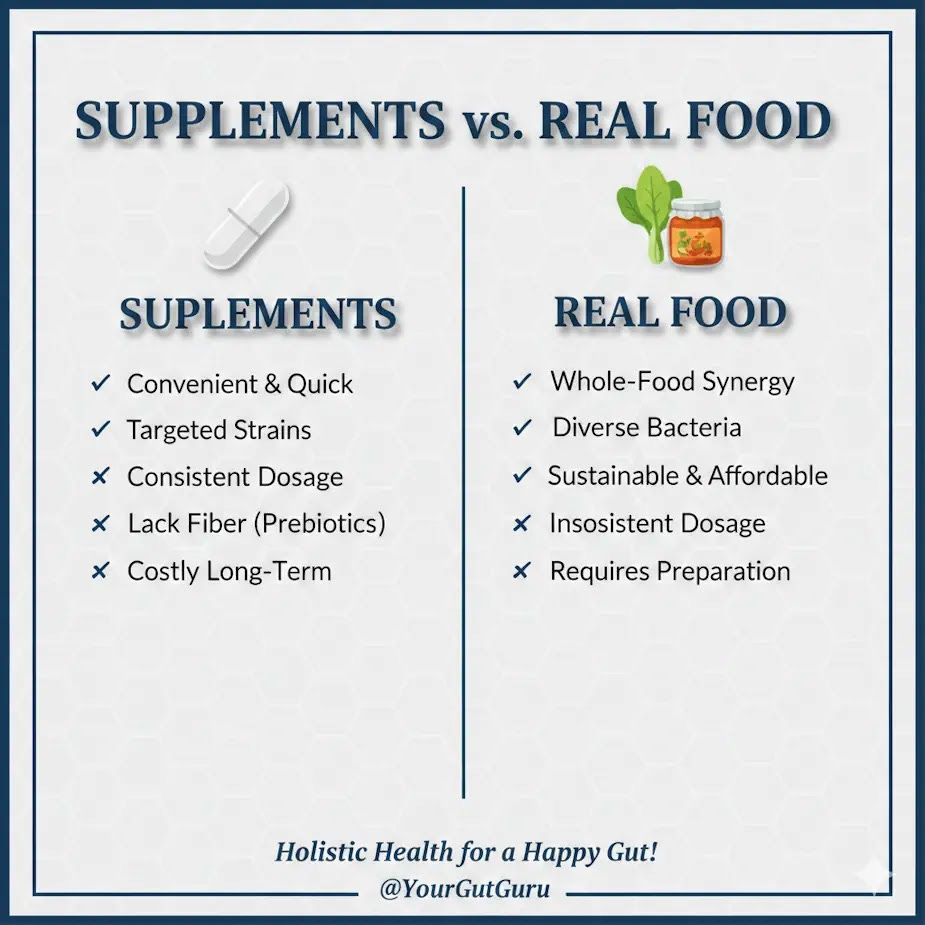
2. Can I just take a pill to fix my gut?
While probiotic supplements can help, they are only one piece of the puzzle. Without fiber (prebiotics) to feed those bacteria, the supplements likely won't survive long enough to make a permanent impact.
3. Does apple cider vinegar help the gut microbiome?
Raw apple cider vinegar with "the mother" contains beneficial bacteria and acetic acid, which can support gut health and blood sugar levels, though it should be used as a supplement to a healthy diet rather than a "magic fix."
4. What is the #1 food for gut health?
There isn't just one, but high-fiber legumes (lentils, chickpeas) and fermented vegetables (sauerkraut) are top contenders because they provide both the "good bugs" and the fuel they need to thrive.
What do you think?
Have you noticed a change in your energy or weight after adding fermented foods to your diet? I’d love to hear your experiences or questions in the comments below!