

Gluten -Linked Issues You May Not Know

Gluten‑Linked Issues You May Not Know
Gluten can trigger far more than digestive discomfort. Beyond celiac disease, research from 2024–2025 shows links between gluten exposure, intestinal permeability, immune activation, and symptoms that mimic other chronic conditions. Understanding these gluten‑linked issues helps patients ask clearer questions, avoid unnecessary restrictions, and work more effectively with their healthcare team.
Medical Disclaimer: This content is for informational and educational purposes only. It does not replace professional medical advice, diagnosis, or treatment. Always consult a qualified healthcare provider regarding any medical condition.
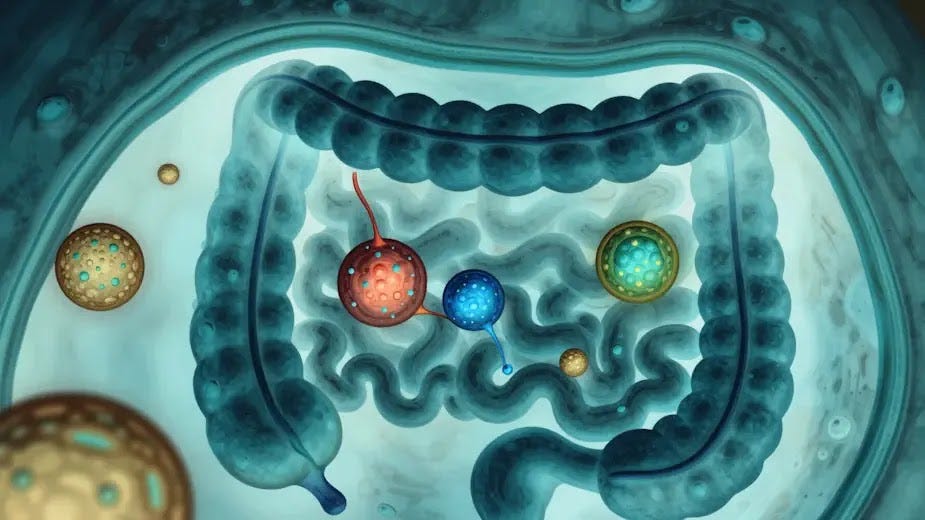
Gluten exposure can trigger immune reactions and intestinal damage in susceptible individuals, according to 2024 research.
Introduction
Gluten has become one of the most debated components of the modern diet. While many people tolerate it without issue, others experience symptoms ranging from digestive discomfort to fatigue, headaches, anemia, and neurological changes. The challenge is that gluten‑linked issues are not limited to celiac disease.
Recent studies from 2024–2025 reveal new mechanisms behind gluten‑related intestinal damage, immune activation, and symptom overlap with conditions like IBS, anemia, and chronic fatigue. Understanding these mechanisms empowers patients to have more productive conversations with clinicians and avoid unnecessary dietary restrictions.
Integrated Key Points
Gluten affects individuals differently; reactions range from mild intolerance to autoimmune injury.
New 2024 research shows gluten can trigger cell death and intestinal permeability in susceptible people.
Non‑celiac gluten sensitivity (NCGS) is real but lacks biomarkers, making diagnosis challenging.
Many symptoms attributed to gluten may actually stem from FODMAP intolerance or gut dysbiosis.
A registered dietitian is essential for safe gluten‑free diet planning.
What Exactly Is Gluten?
Gluten is a structural protein found in wheat, barley, and rye. It gives dough elasticity and helps foods maintain shape. Most people digest gluten without difficulty, but in some individuals, gluten triggers immune or inflammatory responses.
Section‑Level Key Points
Gluten is not inherently harmful for most people.
Oats are naturally gluten‑free but often contaminated.
Gluten intolerance, celiac disease, and wheat allergy are distinct conditions.
Gluten‑Linked Issues You May Not Know
1. Intestinal Cell Damage Beyond Celiac Disease
A 2024 Stanford Medicine study using intestinal organoids found a new molecular link between gluten exposure and cell death, even in controlled lab environments.This suggests gluten may trigger cellular stress pathways in genetically susceptible individuals.
Case Study #1
A 52‑year‑old woman with chronic bloating tested negative for celiac disease but continued to experience symptoms. After a supervised gluten challenge, she developed abdominal pain and fatigue. Her gastroenterologist suspected NCGS and recommended a structured elimination and reintroduction plan.
2. Immune Activation Without Autoimmunity
Non‑celiac gluten sensitivity (NCGS) does not cause villi damage, but research shows it may trigger:
innate immune activation
gut barrier disruption
inflammation in the absence of celiac antibodies
Cleveland Clinic notes that NCGS symptoms often mimic celiac disease but lack autoimmune markers.
3. Gluten‑Linked IBS‑Type Symptoms
A 2024 nationwide cohort study found that people with celiac disease have a higher risk of IBS‑type symptoms both before and after diagnosis.
Additionally, a low‑FODMAP diet may help patients with persistent symptoms despite a gluten‑free diet.
Case Study #2
A 67‑year‑old man with celiac disease followed a strict gluten‑free diet but still had bloating and diarrhea. A dietitian identified high‑FODMAP foods as triggers. After adjusting his diet, symptoms improved significantly
4. Gluten‑Linked Neurological and Skin Symptoms
Mayo Clinic reports that gluten exposure in celiac disease can lead to:
neuropathy
headaches
cognitive impairment
dermatitis herpetiformis (a blistering rash)
These symptoms often surprise patients who expect only digestive issues.
5. Gluten‑Related Anemia and Nutrient Deficiencies
Long‑term gluten exposure in undiagnosed celiac disease can damage villi, leading to:
iron deficiency anemia
vitamin D deficiency
bone loss
Mayo Clinic confirms anemia is one of the most common non‑digestive symptoms.
Interactive Decision Tree — Is Gluten the Problem?
Start Here
1. Do you have chronic digestive symptoms (bloating, diarrhea, constipation)?
→ Yes → Continue→ No → Consider non‑digestive gluten‑linked issues
2. Have you been tested for celiac disease while still eating gluten?
→ No → Ask your clinician for testing→ Yes → Continue
3. Tests negative for celiac and wheat allergy?
→ Yes → Possible NCGS or FODMAP intolerance→ No → Follow clinician guidance
4. Do symptoms improve on a supervised gluten‑free trial?
→ Yes → Possible NCGS→ No → Consider IBS, FODMAPs, or other GI disorders
5. Do symptoms return when gluten is reintroduced?
→ Yes → Discuss NCGS with your clinician→ No → Gluten may not be the primary trigger
Glossary (6 Terms)
Gluten: A protein found in wheat, barley, and rye that can trigger immune reactions in susceptible individuals. Villi: Finger‑like projections in the small intestine that absorb nutrients. Intestinal Permeability: A condition where the gut lining becomes more porous, allowing particles to pass into the bloodstream. Non‑Celiac Gluten Sensitivity (NCGS): A condition where gluten causes symptoms without autoimmune markers. FODMAPs: Fermentable carbohydrates that can mimic gluten symptoms. Transglutaminase 2 (TG2): An enzyme involved in celiac autoimmune reactions.
Senior Questions
Is gluten causing my anemia?
Possibly, especially if undiagnosed celiac disease is present.
Can gluten cause neurological symptoms?
Yes, in celiac disease and sometimes in NCGS.
Is gluten sensitivity the same as FODMAP intolerance?
No, but symptoms overlap.
Can gluten damage occur without celiac disease?
Emerging research suggests possible cellular effects.
Should seniors avoid gluten?
Only if medically indicated.
Key Takeaways
Gluten‑linked issues extend beyond celiac disease.
New 2024 research shows gluten can trigger cell death in susceptible individuals.
NCGS is real but difficult to diagnose.
IBS‑type symptoms may persist even on a gluten‑free diet.
A dietitian is essential for safe gluten‑free planning.
Conclusion
Gluten‑linked issues are more complex than most people realize. While gluten is harmless for many, others experience immune activation, intestinal damage, neurological symptoms, or IBS‑like discomfort. The key is not self‑diagnosis but informed conversations with clinicians, guided testing, and evidence‑based dietary planning. With the right knowledge, patients can avoid unnecessary restrictions and identify the true source of their symptoms.
FAQs
1. Can gluten cause intestinal damage without celiac disease?
Emerging research suggests possible cellular effects in susceptible individuals.
2. What’s the difference between gluten intolerance and celiac disease?
Celiac is autoimmune; intolerance is not.
3. Why do some people feel better on a gluten‑free diet?
They may be reacting to FODMAPs or gut dysbiosis.
4. Can gluten cause neurological symptoms?
Yes, especially in celiac disease.
5. Should I try a gluten‑free diet before testing?
No — it can interfere with diagnosis.
Digestive Symptoms
Bloating
Diarrhea or constipation
Abdominal pain
Gas and cramping
Nutrient-Linked Symptoms
Iron deficiency anemia
Fatigue
Unexplained weight loss
Bone or joint pain
Neurological Symptoms
Headaches or migraines
Numbness or tingling
Brain fog
Balance issues
Skin Symptoms
Dermatitis herpetiformis
Itchy rashes
Dry or irritated skin
Non-Celiac Gluten Sensitivity
Fatigue after meals
Joint stiffness
Mood changes
IBS-like symptoms
Naturally Gluten-Free Foods
Fresh fruits & vegetables
Meat, poultry, fish
Eggs
Beans & lentils
Plain nuts & seeds
Safe Grains & Starches
Rice
Quinoa
Millet
Buckwheat
Potatoes & sweet potatoes
Foods to Double-Check
Oats (must be certified GF)
Soy sauce
Soups & broths
Salad dressings
Seasoning blends
High-Risk Hidden Gluten
Gravies & sauces
Processed meats
Snack bars
Imitation seafood
Beer & malt beverages
Smart Label Tips
Look for “Certified Gluten-Free”
Avoid “wheat,” “barley,” “rye”
Watch for “malt,” “brewer’s yeast”
Check for cross-contamination notes
Diagnosis Questions
“Should I be tested for celiac disease before trying a gluten-free diet?”
“Do my symptoms fit celiac, NCGS, or something else?”
“Do I need blood tests, endoscopy, or both?”
Diet & Nutrition Questions
“Should I work with a dietitian to avoid nutrient deficiencies?”
“How do I safely reintroduce foods to test reactions?”
“Could FODMAPs be causing my symptoms instead of gluten?”
Monitoring & Follow-Up
“How often should I repeat labs for anemia or vitamin levels?”
“What symptoms should prompt a follow-up visit?”
“Do I need bone density testing?”
Medication & Supplement Safety
“Are any of my medications at risk for gluten contamination?”
“Do I need iron, B12, or vitamin D supplementation?”
“Are probiotics or digestive enzymes appropriate for me?”
Quality of Life Questions
“How can I manage symptoms during social events or travel?”
“What signs suggest my condition is worsening?”
“How do I avoid unnecessary food restrictions?”
Professional Sources
Stanford Medicine. “New molecular link between gluten exposure and intestinal cell death.” 2024.
Cleveland Clinic. “Non-Celiac Gluten Sensitivity: Symptoms & Diagnosis.” 2024.
Mayo Clinic. “Celiac Disease: Symptoms, Causes, and Complications.” Updated 2024.
Nature Reviews Gastroenterology & Hepatology. “Gluten-related disorders: evolving understanding.” 2024.
Journal of Gastroenterology. “IBS-like symptoms in celiac disease patients on a gluten-free diet.” 2024.