

Dengue Fever and Other Diseases Rise with Climate Change

Safeguarding Health as the Earth Heats Up: Dengue, Zika, and Beyond - The Escalating Public Health Peril Driven by Global Warming
The escalating threat of mosquito-borne diseases in 2026 is no longer a distant prediction—it is a current reality. As global temperatures continue to break records, the "suitability" of new regions for disease vectors has reached a critical tipping point.
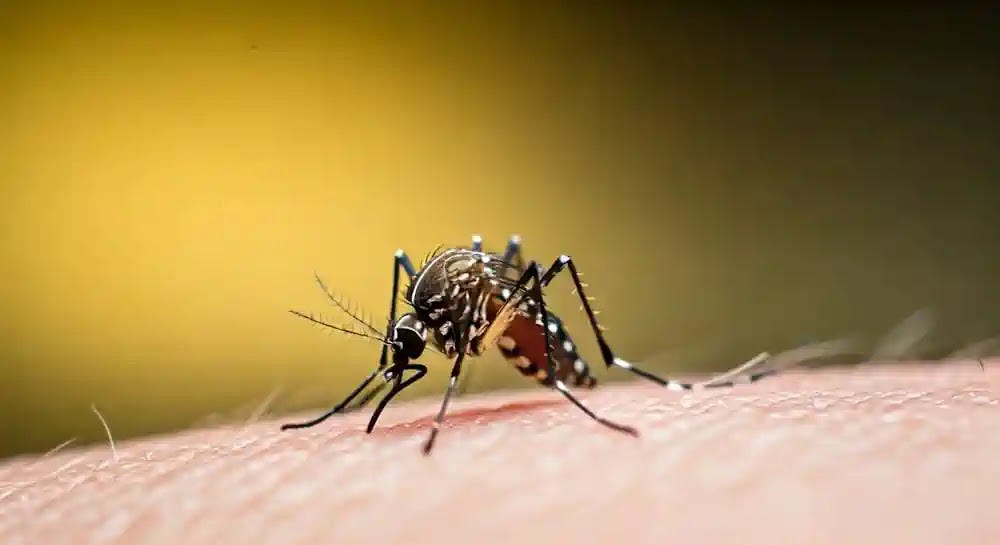
Climate change is increasing the spread of mosquito-borne diseases like dengue fever. Take steps to protect yourself and stay informed.
1. The Climate-Disease Feedback Loop
In 2026, scientific models emphasize that we are seeing a "compounding effect." Higher temperatures don't just move mosquitoes to new areas; they accelerate the extrinsic incubation period (the time it takes for a virus to replicate inside a mosquito).
Accelerated Biology: In warmer weather, mosquitoes digest blood faster and feed more frequently, increasing the number of people a single insect can infect.
Viral Replication: Dengue and Zika multiply faster inside mosquitoes at warmer temperatures, making the insects infectious sooner.
2. Emerging Geographic Frontiers
While tropical regions remain the hardest hit, 2026 data show a significant northward migration of Aedes aegypti and Aedes albopictus.
The "Altitude Shift": Malaria is now being documented in high-altitude regions of Ethiopia and the Andes where it was previously non-existent.
Urban "Heat Islands": Cities are retaining heat, creating micro-climates that allow mosquitoes to survive even during mild winters, leading to year-round transmission cycles.
3. Comparing the "Big Three" Threats
While Dengue is the primary concern due to its "break-bone" intensity, Zika and Chikungunya present unique clinical challenges.
Disease Primary Symptom Unique Risk Factor 2026 Status Dengue High Fever / Bone Pain Hemorrhagic Shock Tripled cases in Americas Zika Rash / Red Eyes Congenital Anomalies Expanding in Florida/Texas Chikungunya Contorting Joint Pain Chronic Arthritis Invasive in Southern Europe
4. Precision Prevention in 2026
Traditional "fogging" is being replaced by more advanced community interventions:
Wolbachia Method: Releasing mosquitoes infected with a natural bacteria (Wolbachia) that prevents them from transmitting viruses to humans.
Genetically Modified (GM) Mosquitoes: Targeted releases to crash local populations of Aedes aegypti.
Personal Tech: Wearable repellent devices and smart-home monitoring for standing water.
Final Summary
The link between a warming planet and escalating disease is undeniable. As we navigate 2026, the best defense is a combination of individual vigilance (repellents and clothing) and community action (supporting climate-resilient infrastructure and innovative vector control).
In the southern United States, the humid subtropical climate and increasing "heat island" effects in 2026 have made year-round mosquito vigilance a necessity. Below are your localized prevention checklist and a diagnostic symptom chart to help distinguish between the major threats.
2026 Southern US Mosquito Prevention Checklist
In the South, mosquito control is about managing the "Drain and Defend" cycle.
Phase 1: Your Yard (The "7 Ts" Strategy)
[ ] Tip: Flip over plant saucers, toys, and pet bowls daily. Aedes mosquitoes can breed in a bottle cap of water.
[ ] Toss: Recycle old tires or containers that hold stagnant water.
[ ] Turn: Wheelbarrows and plastic pools should be stored upside down.
[ ] Tighten: Ensure tarps on boats or woodpiles don't have "pockets" for rainwater.
[ ] Take Care: Clear gutters of pine needles and debris (a major Southern breeding ground).
[ ] Treat: For areas you can't drain (like French drains or rain barrels), use BTI "Dunks" (larvicide).
[ ] Team Up: Talk to neighbors. Mosquitoes don't respect property lines!
Phase 2: Personal Defense
[ ] The "Big 4" Repellents: Use only EPA-registered ingredients: DEET (20-30%), Picaridin, IR3535, or Oil of Lemon Eucalyptus (OLE).
[ ] Clothing: Treat your outdoor gear (socks, boots, pants) with 0.5% Permethrin. It stays effective through multiple washes and is your best defense against bites through clothing.
[ ] Avoid Peak Times: While West Nile mosquitoes are most active at Dusk and Dawn, the Aedes mosquitoes carrying Dengue/Zika are Daytime biters.
[ ] Fans: When sitting on a porch, use a high-powered floor fan. Mosquitoes are weak fliers and cannot navigate the "wind."
Feature Dengue Zika Chikungunya West Nile (WNV) Primary Sign Sudden High Fever Mild Fever + Rash Debilitating Joint Pain Often Asymptomatic The "Tell" Eye Pain: Intense pain behind the eyes. Red Eyes: Non‑itchy conjunctivitis. Posture: “Stooped” gait due to joint stiffness. Neurological: 1% get stiff neck or confusion. Rash Type Flat, red rash (2–5 days in). Maculopapular (bumpy) rash. Common, often itchy. Only in ~25–50% of cases. Pain Level “Break‑bone” (Muscle/Bone). Mild Joint Aches. Severe Joint Swelling/Pain. Generalized Body Aches. Duration 2–7 days. 2–7 days. Joint pain can last months. Days to weeks (Fatigue). Severe Risk Internal Bleeding / Shock. Pregnancy: Microcephaly risk. Chronic Arthritis. Encephalitis: Brain swelling.
Important Clinical Note for 2026
Avoid NSAIDs (Ibuprofen/Aspirin): In the Southern US, if you suspect you have a mosquito-borne illness, only use Acetaminophen (Tylenol) for fever. If you actually have Dengue, taking Ibuprofen can significantly increase the risk of internal bleeding.
2026 Mosquito-Borne Disease FAQ
Q: Can I catch Dengue or Zika from a "winter" mosquito in the South?
A: In 2026, the term "mosquito season" is becoming obsolete in the Deep South. While activity slows below 50°F, urban heat islands and mild winters in cities like New Orleans, Houston, and Miami allow Aedes mosquitoes to survive year-round in storm drains and crawl spaces. If you have a fever and rash in January, do not rule out a mosquito-borne cause.
Q: Why should I avoid Ibuprofen if I suspect a mosquito bite fever?
A: This is a critical safety point. Many mosquito-borne illnesses, particularly Dengue, can cause your platelet count to drop. Ibuprofen (Advil/Motrin) and Aspirin are blood thinners that can increase the risk of internal bleeding. Until a doctor confirms your diagnosis, stick exclusively to Acetaminophen (Tylenol) for pain and fever.
Q: Does "Oil of Lemon Eucalyptus" actually work as well as DEET?
A: Yes, but with a catch. CDC-approved OLE (or PMD) is the only plant-based repellent that rivals DEET in efficacy. However, OLE typically requires more frequent reapplication-roughly every 2-3 hours in high Southern humidity-whereas 25% DEET can last up to 8 hours.
Q: If I've had Chikungunya once, can I get it again? A: Current research suggests that a single infection with Chikungunya likely provides lifelong immunity. However, you can still contract Dengue (which has four different strains) or Zika, as the antibodies do not cross-protect against different viruses.
Q: Is "Microcephaly" still the only concern with Zika in 2026?
A: While pregnancy remains the highest risk, 2026 data show a stronger correlation between Zika and Guillain-Barré Syndrome (GBS) in adults-a rare condition where the immune system attacks the nerves. If you experience tingling or weakness in your legs following a mosquito-related illness, seek medical attention immediately.
Toggle Sources
Sources:
World Health Organization (WHO): https://www.who.int/health-topics/dengue-and-severe-dengue
Centers for Disease Control and Prevention (CDC): https://www.cdc.gov/dengue/index.html
Intergovernmental Panel on Climate Change (IPCC): https://www.ipcc.ch/
Yale Climate Change Communication: https://climatecommunication.yale.edu/