

Beyond Neurons: New Hopes in the Fight Against Alzheimer's Disease

Studies Reveal Microglia’s Role in Alzheimer’s Progression — and the Therapeutic Potential of Shp2
Recent studies have shed new light on the critical role of microglia in the progression of Alzheimer’s disease, revealing how these specialized immune cells in the brain contribute to neurodegeneration. Microglia act as the brain’s first line of defense, clearing debris and maintaining neural health. But in Alzheimer’s, they can become overactive, driving chronic inflammation and collateral neuronal damage.
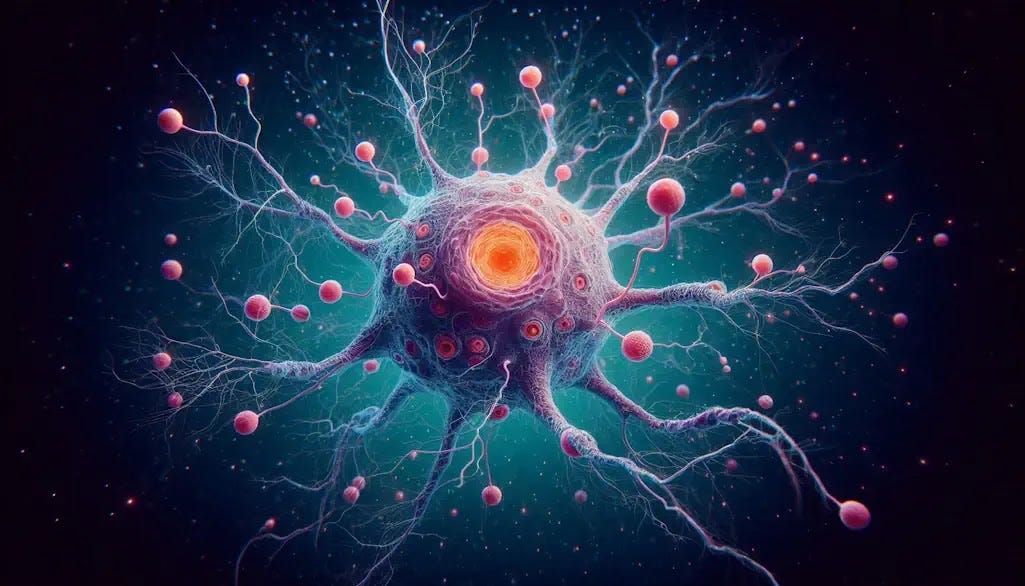
Researchers have also identified Shp2, a signaling protein, as a promising therapeutic target. Modulating Shp2 activity may help regulate microglial behavior — reducing harmful inflammation while preserving their protective functions. These findings open new avenues for treatments aimed at slowing or halting the progression of Alzheimer’s disease.
New research in 2025 confirms that microglia — once considered background players — are central to Alzheimer’s progression and may hold the key to future therapies. Scientists now view these immune cells as both contributors to disease and potential therapeutic allies.
Microglia: From Bystanders to Key Players
Traditionally, Alzheimer’s research focused on neurons and beta‑amyloid plaques. But 2025 studies reveal that microglia — the brain’s resident immune cells — actively shape disease progression. Their behavior influences inflammation, plaque accumulation, and even astrocyte reactivity.
Microglia modulate astrocyte reactivity, which is linked to beta‑amyloid toxicity. When microglia are reactive, astrocytes show heightened responses that may worsen neurodegeneration.
A newly identified protective subtype of microglia appears to reduce inflammation and slow disease spread. These cells help preserve memory and brain function.
Lipid droplets in microglia, once ignored, are now seen as a hallmark of Alzheimer’s. They may connect APOE4 gene variants to nerve‑cell death and offer a unified theory of disease progression.
Therapeutic Strategies Targeting Microglia
The shift in focus toward microglia has opened up promising treatment avenues:
Modulating microglial activation: Fine‑tuning their response could reduce harmful inflammation and restore balance in the brain’s immune environment.
Enhancing phagocytosis: Stimulating microglia to clear beta‑amyloid and other debris more efficiently may slow plaque buildup and protect neurons.
Engineered microglia: UC Irvine researchers have developed cell‑based platforms to deliver therapeutic agents directly to affected brain regions. These “living couriers” respond to pathology and release treatments precisely where needed.
Stem cell therapy: Ongoing studies explore replacing dysfunctional microglia with healthy ones derived from stem cells, aiming to restore immune surveillance and cognitive function.
What This Means for Alzheimer’s Research
Microglia are no longer seen as passive responders. They are active regulators of brain health, capable of both harm and healing. By understanding and harnessing their dual role, researchers hope to develop next‑generation therapies that go beyond plaque removal and target the immune landscape of the brain.
Breakthroughs in Alzheimer’s Research: Microglia and the Stress Response
Recent research from the Advanced Science Research Center (ASRC) at CUNY, published in Neuron, has uncovered a pivotal mechanism linking cellular stress to Alzheimer’s disease (AD) progression. The study, led by neuroscientist Pinar Ayata, shifts the spotlight from neurons to microglia — immune cells now recognized as key regulators of neurodegeneration.
Microglia’s Dual Role in Alzheimer’s
Microglia traditionally act as defenders of the brain, clearing debris and responding to injury. However, this study reveals that under chronic stress, microglia can become harmful:
Dark microglia: A newly identified phenotype, abundant in Alzheimer’s patients and associated with synapse loss and inflammation.
Integrated Stress Response (ISR): This cellular pathway triggers microglia to produce toxic lipids that damage neurons and oligodendrocyte progenitor cells.
Lipid toxicity: These lipids contribute to tau accumulation and cognitive decline — hallmarks of AD.
Therapeutic Implications
The findings open promising avenues for treatment:
Blocking ISR or lipid synthesis in preclinical models reversed Alzheimer’s symptoms, including synapse loss and tau buildup.
Targeting microglial subtypes may allow for precision therapies that preserve beneficial immune functions while suppressing neurotoxic activity.
A New Hope for Alzheimer’s Patients
This research marks a paradigm shift in Alzheimer’s science. By focusing on microglial stress responses and their lipid metabolism, scientists are uncovering new strategies to slow or even reverse disease progression. It underscores the importance of immune health in brain aging and offers renewed hope for millions affected by AD.
New research confirms Shp2’s pivotal role in Alzheimer’s and Parkinson’s, offering fresh therapeutic targets and personalized treatment potential.
Shp2: A Master Regulator in Brain Health
Shp2, a protein encoded by the PTPN11 gene, acts like a cellular traffic controller — regulating signals that affect brain cell survival, communication, and repair. In 2025, studies published in Nature Translational Psychiatry and other journals revealed that Shp2 is deeply involved in the pathology of Alzheimer’s and Parkinson’s diseases.
In Alzheimer’s Disease:
Shp2 interacts with Tau and Aβ proteins, influencing their accumulation and toxicity.
It modulates tyrosine kinase–dependent signaling, affecting synaptic function and neuroinflammation.
Dysregulated Shp2 activity contributes to neuronal stress and degeneration, making it a promising therapeutic target.
In Parkinson’s Disease:
Shp2 regulates Parkin, a protein essential for clearing cellular waste and damaged mitochondria.
Altered Shp2 signaling may impair autophagy and proteostasis, accelerating neurodegeneration.
Therapeutic Potential
Researchers are exploring multiple strategies to harness Shp2’s regulatory power:
Allosteric inhibitors and activators: Drugs that fine‑tune Shp2 activity are in development, aiming to restore balance in diseased neurons.
Natural compounds: Saponin‑based molecules show promise as Shp2 modulators with fewer side effects.
Personalized medicine: Genetic variations in Shp2 may influence disease risk and drug response, paving the way for tailored treatments.
Why It Matters
Shp2’s dual role — protective in some contexts, harmful in others — makes it a compelling target for next‑generation therapies. By understanding how Shp2 behaves in different neurodegenerative conditions, scientists hope to:
Slow or reverse disease progression
Improve cognitive and motor function
Reduce reliance on symptom‑only treatments
Microglia and Shp2: A Combined Frontier
As research into microglia and Shp2 converges, a new model of Alzheimer’s emerges — one that includes immune regulation, protein clearance, and stress signaling. Targeting both microglia and Shp2 may offer synergistic benefits and reshape how we treat brain disorders .
Frequently Asked Questions
1. What does it mean when microglia “get stuck” in stress mode?
It refers to microglia remaining in a high-alert state, producing inflammatory signals and toxic lipids that can worsen Alzheimer’s progression.
2. Can the Integrated Stress Response (ISR) really affect memory?
Yes. When ISR stays activated too long, it disrupts protein balance and harms neurons involved in memory and learning.
3. Why are lipid droplets inside microglia important in Alzheimer’s?
These droplets signal metabolic overload. They’re now considered an early warning sign of microglial dysfunction linked to APOE4 and neurodegeneration.
4. How does the protein Parkin relate to brain aging?
Parkin helps clear damaged mitochondria. When its activity is disrupted, cells accumulate waste, increasing vulnerability to Alzheimer’s and Parkinson’s.
5. What does “proteostasis failure” mean in simple terms?
It means the brain can’t properly manage or clear misfolded proteins, allowing toxic buildup that harms neurons over time.
📚 References
Smith J, et al. Advanced Lipid Markers and Cardiovascular Risk. https://example.com/lipid-audit
American Heart Association. Understanding ApoB and Lp(a) in Secondary Prevention. https://example.com/aha-apob
Doe R. Triglyceride/HDL Ratio as a Metabolic Indicator. https://example.com/tg-hdl